

Table of Contents
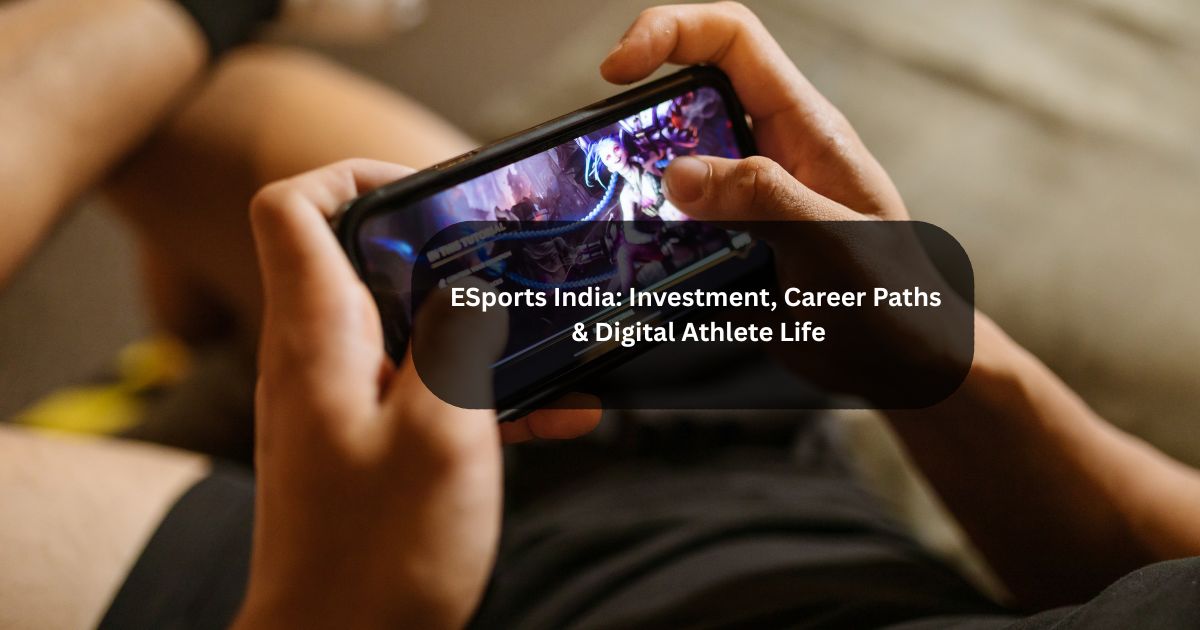
The ESports Ecosystem in India: Investment Trends, Career Paths, and the Life of a Professional Digital Athlete
India’s traditional sporting landscape is vast, but over the last five years, a new powerhouse has emerged: ESports. Once dismissed as just video games, ESports has ballooned into a billion-dollar global industry, and India is rapidly becoming one of its largest and most passionate markets.
For investors, job seekers, and digital culture enthusiasts, the Indian ESports ecosystem is a goldmine of opportunity. It’s a complex intersection of tech, media, and organized sports, offering far more than just high-stakes tournaments.
Here is a deep dive into the business, careers, and the rigorous life of a professional digital athlete in India.
1. Investment Trends: The Business of ESports Growth
The Indian ESports market is moving out of the startup phase and into a mature, high-growth investment cycle, driven by key factors: cheap data, accessible smartphones, and massive youth engagement.
- The Funding Focus: Mobile-First: Unlike Western markets that rely on PCs and consoles, the Indian ecosystem is heavily dominated by mobile gaming. Investment is pouring into Mobile ESports platforms, tournament organizers, and local game development studios tailored for low-latency, high-quality mobile experiences.
- Brand Sponsorships and Media Rights: The validation of ESports as a legitimate sport is evident in the sponsorship deals. Major non-gaming brands (automotive, FMCG, financial services) are now sponsoring teams and tournaments, viewing them as direct access to the lucrative Gen Z and millennial consumer base. Media rights for top-tier leagues are also becoming a significant revenue stream.
- Venture Capital (VC) Thesis: VCs are not just funding teams; they are backing the infrastructure streaming platforms, anti-cheat technology, data analytics tools, and fan engagement apps. The thesis is that reliable infrastructure will monetize the billion-plus hours of content watched annually.
2. Career Paths: Beyond the Game Controller
The professional ESports career is highly structured and offers numerous high-growth roles that require business, tech, and marketing skills.
- The Digital Athlete: This is the visible face of the sport. Requires elite skill, dedication, and professional conduct. (See Section 3).
- Coaching & Performance Analysts: Professionals who analyze competitive meta-strategies, track opponent tendencies using data analytics, and manage the team’s mental and physical well-being. This requires a unique blend of gaming expertise and sports psychology.
- Tournament & League Operations: Roles focused on the logistics, broadcasting, and technical execution of large-scale events, often requiring expertise in production, networking, and regulatory compliance.
- Streaming & Content Creation: The line between a professional player and a streamer is blurring. Top players and analysts earn significant revenue through platforms like YouTube and Twitch via subscriptions, ads, and brand deals.
3. The Life of a Professional Digital Athlete
The perception of a professional gamer sitting in a basement is a myth. The reality is the life of a Digital Athlete is rigorous, structured, and demands peak performance under immense pressure.
- The Training Regimen: A pro-gamer’s day mirrors a traditional athlete’s, involving 8-10 hours dedicated to practice, scrimmages (practice matches), and VOD review (video on demand analysis). This is often done from a specialized Gaming House (or boot camp) where the team lives and trains together.
- Mental and Physical Health: Success at the elite level requires more than just fast reflexes. Teams now employ sports psychologists to manage pressure, tilt, and team dynamics. Physical fitness is crucial to maintain focus during long tournaments; athletes follow strict diets and exercise routines to prevent burnout and mitigate repetitive strain injuries.
- Income and Longevity: Top-tier Indian ESports athletes earn income from a mix of salary (paid by the team), tournament prize money, and streaming/sponsorship revenue. However, career longevity is short (peaking in the early-to-mid twenties), placing immense pressure on maximizing earnings and building a personal brand quickly.
- Keywords: Life of an ESports athlete, professional gamer routine, mental health ESports, ESports training regimen, digital athlete salary.
Conclusion: The Mainstream Moment
India’s ESports ecosystem is no longer an amateur passion it’s a serious business, a viable career path, and a rapidly institutionalizing sport.
By investing in the digital infrastructure, professionalizing the teams, and recognizing the rigorous discipline of the digital athlete, India is cementing its place as an ESports superpower. Whether you’re a founder looking for the next big market, a student looking for a non-traditional career, or an investor seeking high returns, the time to watch, and engage with, Indian ESports is now.
Frequently Asked Questions (FAQ)
Q1: What makes the Indian ESports market unique compared to Western markets?
A: The Indian ESports market is overwhelmingly mobile-first, driven by the high penetration of affordable smartphones and cheap data. Unlike Western markets focused on PC or console gaming, investment and competition in India are heavily centered around major mobile titles, making the ecosystem more accessible to a mass audience.
Q2: What is the primary source of revenue for a professional ESports athlete in India?
A: The income of a professional digital athlete is typically a mix of three sources:
- Team Salary: A fixed, monthly salary paid by the organization (the team owner).
- Tournament Prize Money: Earnings from winning or placing high in competitive leagues.
- Streaming & Sponsorships: Revenue generated from personal streams (YouTube/Twitch) and direct endorsement deals based on their personal brand and fan following.
Q3: Where is the majority of Venture Capital (VC) money being invested in the Indian ESports ecosystem?
A: VCs are primarily investing in the infrastructure surrounding the game itself. This includes Mobile ESports platforms, tournament organizers, streaming and content platforms, and companies developing data analytics and fan engagement technologies designed to support and monetize the massive viewing audience.
Q4: Are ESports players considered traditional athletes?
A: While they compete digitally, professional ESports players are increasingly recognized as Digital Athletes. Their regimen involves rigorous training (8-10 hours daily), strategic analysis, high-pressure competition, and the involvement of sports psychologists and physical fitness trainers to combat burnout, manage stress, and ensure peak performance over long sessions.
Q5: What is the career longevity of an average professional ESports athlete?
A: The career longevity is typically short, with many players peaking in their late teens to mid-twenties. The intense demands on reaction time, focus, and strategic adaptation often lead to early retirement from competitive play, prompting many to transition into related roles like coaching, performance analysis, or full-time content creation.
Have any thoughts?
Share your reaction or leave a quick response — we’d love to hear what you think!
-
 0
0
-
 0
0
-
 0
0
-
 0
0
-
 0
0
-
 0
0