

Table of Contents
7 Spatial Computing Trends That Will Replace Your Laptop by 2027
For thirty years, the “clamshell” laptop has been the undisputed king of productivity. But as we move deeper into 2026, the crown is slipping.
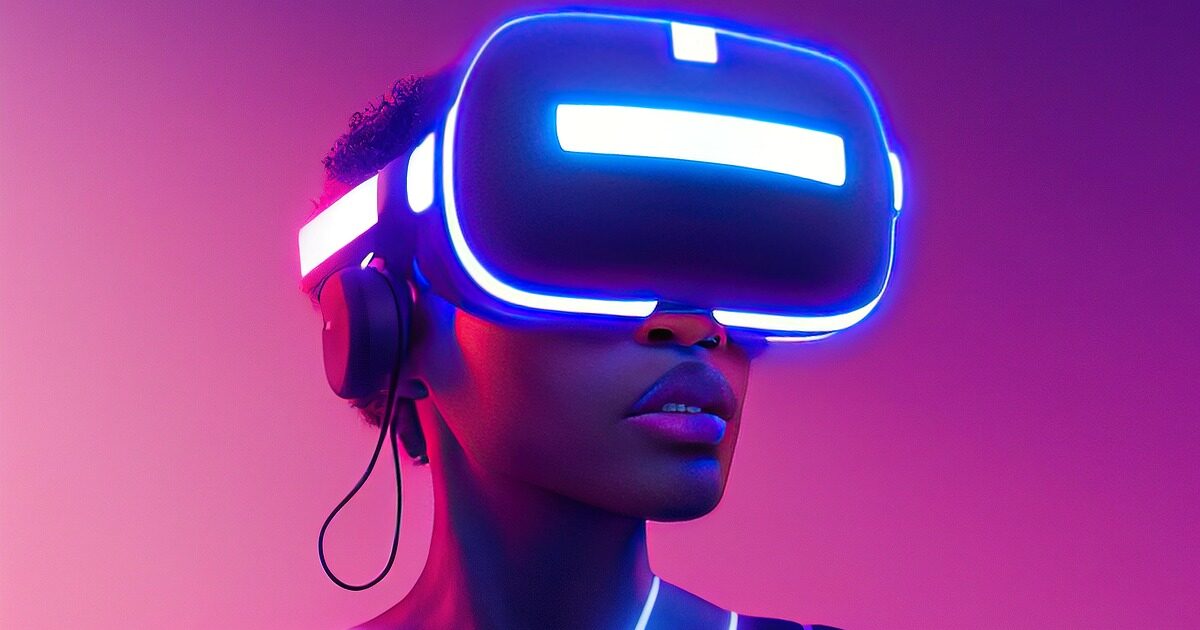
With the rise of Apple’s Vision ecosystem, the Android XR alliance, and sub-millisecond 6G latency, the boundary between your desk and your digital life has dissolved. We are no longer “using” computers; we are living inside them.
Here are the 7 spatial computing trends that will make you close your laptop lid for the last time by 2027.
1. The “Infinite Canvas”: The End of the 13-Inch Screen
The biggest physical limitation of a laptop is its bezel. In 2026, Infinite Canvas technology allows users to anchor dozens of 4K virtual monitors anywhere in their physical room.
- The Trend: Instead of Alt-Tabbing, you simply turn your head. Your Slack is on the kitchen wall; your Excel sheet is a 100-inch span over your desk; and your research tabs are floating to your left.
- Why it replaces the laptop: You get the screen real estate of a $10,000 multi-monitor setup in a device that fits in a travel case.
2. “Vision Air” and the 40% Weight Reduction
The “Comfort Barrier” was the Achilles’ heel of early headsets. However, the leaked 2027 Apple Vision Air and the Meta Quest 4 (using plastic optics and magnesium alloys) have slashed device weight by nearly 40%.
- The Shift: These devices now weigh roughly the same as a pair of heavy ski goggles, making 8-hour “Deep Work” sessions feasible for the average professional.
3. Biometric Sovereignty & “Iris Pay”
Laptops use passwords and fingerprints; spatial computers use Biometric Sovereignty. High-end devices in 2026 track iris patterns for instant, “invisible” authentication.
- The Workflow: You don’t “log in.” The moment the sensors detect your unique eye signature, your entire secure workstation populates the room. This makes spatial computing more secure—and faster—than any MacBook Pro.
4. Latency-Free “Edge AI” (The 6G Backbone)
In 2026, we’ve moved past the “Visual-only” period. Thanks to the early rollout of 6G networks, heavy processing is offloaded to the “Edge.”
- The Tech: This allows the glasses to stay light and cool while the cloud handles complex 3D rendering and Agentic AI tasks. The result? Digital objects that feel as solid and responsive as physical ones.
5. Photorealistic “Codec Avatars” for Meetings
Zoom fatigue is a symptom of 2D limitations. Meta’s Codec Avatars now allow for near-photorealistic digital twins.
- The Trend: In a 2027 board meeting, your colleague from London isn’t a “box” on a screen; they are sitting in the chair next to you. Spatial audio ensures their voice comes exactly from where their avatar is positioned, restoring the non-verbal cues essential for high-stakes negotiation.
6. The “Sattvic” Digital Workspace
Following the Silver Scoop philosophy of lifestyle optimization, spatial computing allows for the “Sattvic” (pure) workspace.
- The Hack: You can “skin” your environment. Working from a cramped apartment in Mumbai? With one gesture, you can replace your walls with a tranquil view of the Vrindavan forest or a minimalist Swiss library, instantly lowering cortisol and boosting output.
- Read on The Dopamine Fast 2.0: Why “Digital Boredom” is the Ultimate Productivity Hack for 2026
7. Contextual “Physical AI” Overlays
Laptops are “blind” to your surroundings. Spatial computers are “aware.”
- The Future: If you are a developer looking at a hardware prototype, your glasses overlay the JSON-LD schema or internal circuitry directly onto the physical object. It’s a “Live Manual” for the world, something a flat screen can never provide.
- Check out – The Spatial Computing Home Office: How Smart Glasses Will Kill Your Desktop Monitor – https://silverscoopblog.com/spatial-computing-home-office-ar-monitors/
The Verdict: 2027 is the Inflection Point
The transition won’t happen overnight, but the “Bhubaneswar Blueprint” and other global tech shifts suggest that by 2027, the laptop will become what the desktop PC is today: a powerful but stationary relic used for niche tasks.
For the modern digital marketer and creator, the future isn’t in your lap it’s in your line of sight.
“Is your home office ready for the spatial shift? Subscribe to the Silver Scoop newsletter for the 2027 Hardware Guide.”
FAQs’
Q: Will spatial computing really replace laptops by 2027?
A: While laptops will remain for niche heavy-duty tasks, spatial computing is expected to become the primary “workstation” for general productivity, coding, and creative work by 2027 due to the “Infinite Canvas” and reduced hardware weight.
Q: Is Apple releasing a cheaper Vision Pro for work?
A: Industry leaks suggest a “Vision Air” or a mainstream model targeted for a 2027 release. This model is expected to be significantly lighter and priced competitively with high-end laptops.
Q: Can I use spatial computing for 8 hours a day?
A: With 2026 advancements in magnesium-alloy frames and off-lens battery packs, the weight of headsets has dropped below 350g, making a full workday “Deep Work” session comfortable for most users.
Q: Does spatial computing require high-speed internet?
A: Yes. To avoid latency, 2027 spatial workflows rely heavily on 6G networks and Edge AI to render photorealistic environments and “Codec Avatars” without lag.
Have any thoughts?
Share your reaction or leave a quick response — we’d love to hear what you think!
-
 1
1
-
 0
0
-
 0
0
-
 0
0
-
 0
0
-
 0
0