
Table of Contents
The Asynchronous Standard: How “No-Meeting” Startups Are Out-Pacing the Competition
For generations, the corporate calendar was viewed as a battleground of status. The busier your day looked filled with back-to-back huddles, status updates, cross-functional syncs, and emergency alignments the more essential you seemed to the organization. This real-time, synchronous framework was carried straight from corporate offices into early remote working models.
But as we navigate 2026, the data tells a radically different story.
The traditional meeting-heavy culture has become a massive anchor dragging down business agility. Research indicates that remote employees attend 50% more meetings than on-site staff, with the average professional sitting through over 10 virtual sessions every single week. This relentless “meeting tax” drains nearly 30% of the entire workweek into live coordination, transforming high-value creators into full-time calendar managers.
In response, a hyper-efficient class of operators has emerged: the “no-meeting” startup. By implementing the asynchronous standard, these agile organizations are completely decoupling communication from real-time presence. They aren’t just surviving; they are systematically out-pacing legacy competitors by turning uninterrupted deep focus into their ultimate competitive edge.
The Core Concept: Moving Beyond the Real-Time Illusion
Synchronous communication assumes that the fastest way to solve a problem is to gather multiple brains on a live video call. The asynchronous standard rejects this assumption entirely.
Synchronous Loop: Problem Arises ──> Schedule Call ──> Real-Time Interruptions ──> Reactive Decision
Asynchronous Loop: Problem Arises ──> Threaded Context ──> Deep Autonomous Thought ──> Documented Solution
In an async-first company, real-time interactivity is treated as a last resort reserved for complex negotiations or rare, genuine emergencies. Daily operations, project updates, and strategic brainstorming happen over time rather than all at once.
This shift respects the cognitive architecture of high-level knowledge work. When you remove the pressure of an immediate, live response, you eliminate the frantic urge to look busy and replace it with the freedom to produce exceptional outcomes.
Why Async-First Teams Scale Faster and Smarter
No-meeting startups aren’t omitting collaboration; they are radically optimizing it. This structural shift unlocks three massive execution advantages:
1. Unlocking True Focus by Eradicating Fragmented Schedules
When an engineer, writer, or growth strategist has their day broken up by three or four isolated 30-minute meetings, their cognitive focus is completely shattered. It can take upwards of 20 minutes to regain a deep state of flow after a single disruption. By handling status checks through automated asynchronous channels or dashboard updates, teams gain hours of uninterrupted time. This continuous focus allows remote teams to be significantly more productive than their office-bound counterparts.
2. Replacing Real-Time Chats with Async Video and Rich Context
Instead of gathering six people to watch a screen share, leaders at async-first startups utilize tools like recorded video messages to provide thorough context. A single 5-minute recorded brief can cleanly walk a team through complex goals, metrics, or blockers. Recipients can then digest, review, and comment on the material at the exact moment their personal schedule allows a method that has successfully replaced millions of manual syncs across global enterprise landscapes.
3. Forcing a Culture of Flawless Documentation
In a live meeting, decisions are often made verbally, floating away the moment the call ends. In an asynchronous environment, text and centralized project management databases are the foundational law. Every piece of rationale, strategic pivot, and feature architecture must be documented clearly to exist. This builds a highly searchable, permanent corporate knowledge base, allowing new hires to onboard rapidly without requiring manual, synchronous hand-holding.
The Blueprint for Building an Asynchronous Architecture
Shifting your organization toward a high-velocity async model requires establishing strict communication parameters:
- Implement a Clean Predictable Cadence: Swap out daily live standups for automated written or video summaries. For example, having leadership send out a context-setting brief every Sunday evening gives the entire team an aligned trajectory without requiring a live, synchronous gathering.
- Establish Clear Response-Time Boundaries: To prevent your messaging channels from turning into an exhausting, real-time distraction engine, create clear operational guidelines. Setting an explicit expectation—such as requiring responses to internal project threads within one business day gives team members the freedom to confidently close their messaging apps and focus on core execution.
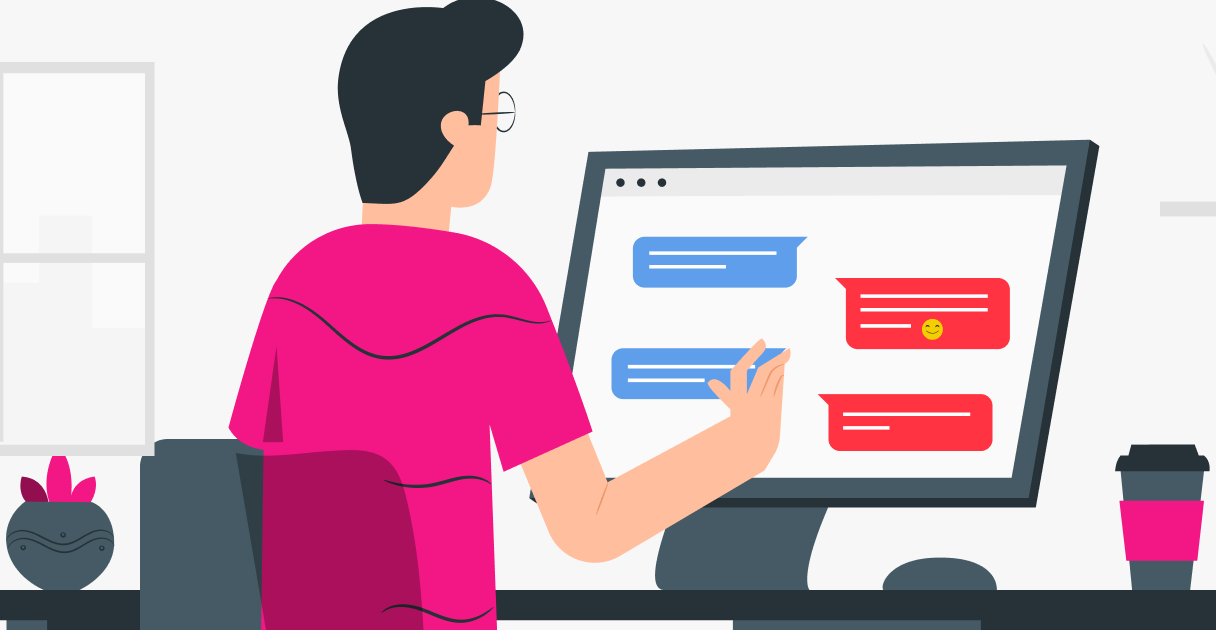
- Streamline Communication Threads: Keep discussions contextualized and strictly tied to specific tasks or documents rather than scattered across disorganized chat rooms. Encourage the use of quick reaction emojis for simple acknowledgments like agreements or sign-offs to keep valuable discussion threads streamlined and readable.
The Bottom Line
The standard definition of corporate hustle is broken. True operational velocity isn’t achieved by packing your day with endless video calls; it is achieved by building a resilient system that executes continuously while everyone is focused on their deep individual work.
The asynchronous standard is no longer a niche operational experiment. It is the definitive blueprint for building a scalable, calm, and highly profitable enterprise.
Ditch the calendar invites. Document the strategy. Let your team build.
FAQs’
Q: Doesn’t a completely asynchronous culture lead to a lack of team connection or loneliness?
A: It can if left unmanaged, as isolated environments naturally carry higher risks of loneliness. Async-first startups combat this by decoupling work from socializing. Instead of boring status meetings, they intentionally coordinate distinct social spaces, virtual watercoolers, regular 1-on-1 check-ins, or impactful in-person retreats dedicated entirely to human connection.
Q: How do you handle complex or highly sensitive issues asynchronously?
A: You don’t. The async standard doesn’t mean never speaking live; it means choosing your medium wisely. When an issue is highly ambiguous, sensitive, or requires rapid real-time negotiation, teams immediately hop on an ad-hoc voice or video call to resolve it instantly. Once resolved, the outcome is documented back into the main system.
Have any thoughts?
Share your reaction or leave a quick response — we’d love to hear what you think!
-
 0
0
-
 2
2
-
 0
0
-
 0
0
-
 0
0
-
 0
0