
Table of Contents
In 2026, the greatest indicator of wealth is no longer the latest foldable smartphone or a gold-plated wearable. As AI-driven notifications and “always-on” hyper-connectivity become the baseline for the masses, the true elite are moving in the opposite direction.
We are witnessing the rise of the Analog Status Symbol. In a world where everyone is reachable, the ultimate “flex” is the power to be intentionally unavailable.
The Analog Status Symbol: Why Disconnectedness is the New 2026 Luxury Flex
For the past decade, tech was marketed as a tool for freedom. But by 2026, the script has flipped. Constant connectivity is now viewed as digital digital labor a relentless stream of “noise” that drains cognitive resources.
The “Analog 2026” movement isn’t about being tech-illiterate; it’s about having the financial and social capital to opt out of the attention economy.
1. The Power of Being Unreachable
In 2026, being “always on” is a sign of being middle-management. If you must respond to a Slack message or an AI-generated email within minutes, you are, by definition, not in control of your time.
- The New Privilege: High-net-worth individuals are adopting “Ghost Mode.” They don’t have a public-facing digital footprint; they have gatekeepers.
- The Psychological Edge: Disconnectedness signals Autonomy. It tells the world: “My time is so valuable that you cannot access it without an invitation.”
2. The Rise of the Luxury “Dumb” Device
The “Dumbphone Renaissance” has hit the luxury sector. While Gen Z uses flip phones for the aesthetic, the elite are commissioning bespoke, high-end “Minimalist Communicators.”
- Hardware as Art: Devices like the Light Phone III or customized MP02 Punkt phones are becoming the new Patek Philippe of tech. They do two things calls and texts and they do them with zero distractions.
- The “Anti-Algorithm” Device: These devices lack browsers and social feeds, protecting the user from “AI Slop” (the flood of low-quality, AI-generated content that has saturated the public web in 2026).
3. Analog Hobbies: The “Tactile” Wealth Signal
In an era where AI can generate any image or text in seconds, physicality has become the ultimate luxury.
- The Vinyl & Film Resurgence: Owning a physical record collection or shooting on 35mm film is a status symbol because it requires patience and space two things that are increasingly expensive.
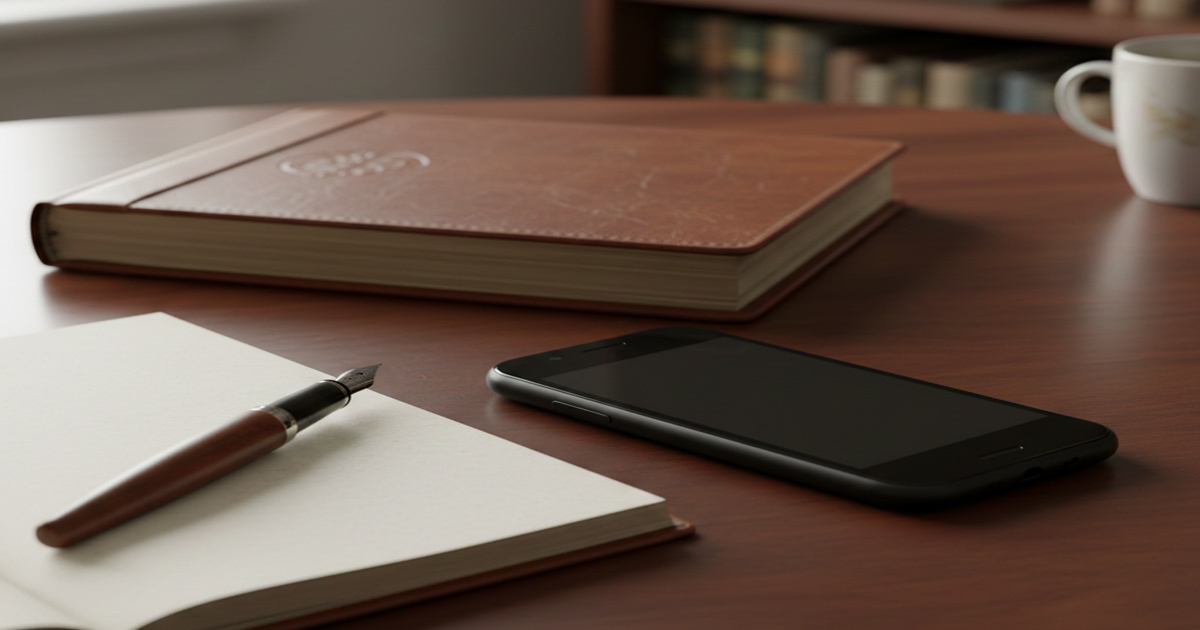
- Handwritten Correspondence: In 2026, receiving a handwritten letter on heavy-stock cream paper is the most prestigious “DM” you can get. It proves the sender dedicated a non-renewable resource to you: uninterrupted attention.
The Tech: Why “Dumb” is Smart in 2026
The elite aren’t just avoiding noise; they are avoiding surveillance.
- Data Sovereignty: High-end smartphones are essentially tracking beacons. By using “dumb” devices, the elite achieve Security by Obscurity.
- Nervous System Regulation: 2026 wellness data shows that “Digital Detox” isn’t a trend; it’s a medical necessity for high-performers. Reducing blue light and notification-driven cortisol is the new “biohacking” baseline.
The SilverScoop Summary: Privacy is the New Gold
The trend is clear: Accessibility is a commodity; Privacy is a luxury. In 2026, if your device has a camera, a microphone, and an AI assistant, you are the product. If your device is “dumb,” silent, and offline, you are the boss.
The Insight: The 20th century was about getting connected. The 21st century is about the privilege of being disconnected.
Recommended Readings: The Dumbphone Renaissance: Why Gen Z is Ditching Smartphones
FAQs
Q: Why is a “dumb phone” considered a status symbol? A: It signals that the user has reached a level of professional or financial success where they no longer need to be instantly available to others, reclaiming their “Cognitive Liberty.”
Q: Are people actually getting rid of their smartphones? A: Most elite users follow a “Hybrid Model” a high-powered tablet or laptop for deep work sessions, and a “Dumb Phone” for their personal, daily carry to prevent “Doomscrolling.”
Have any thoughts?
Share your reaction or leave a quick response — we’d love to hear what you think!
-
 0
0
-
 0
0
-
 0
0
-
 0
0
-
 0
0
-
 0
0