

Table of Contents
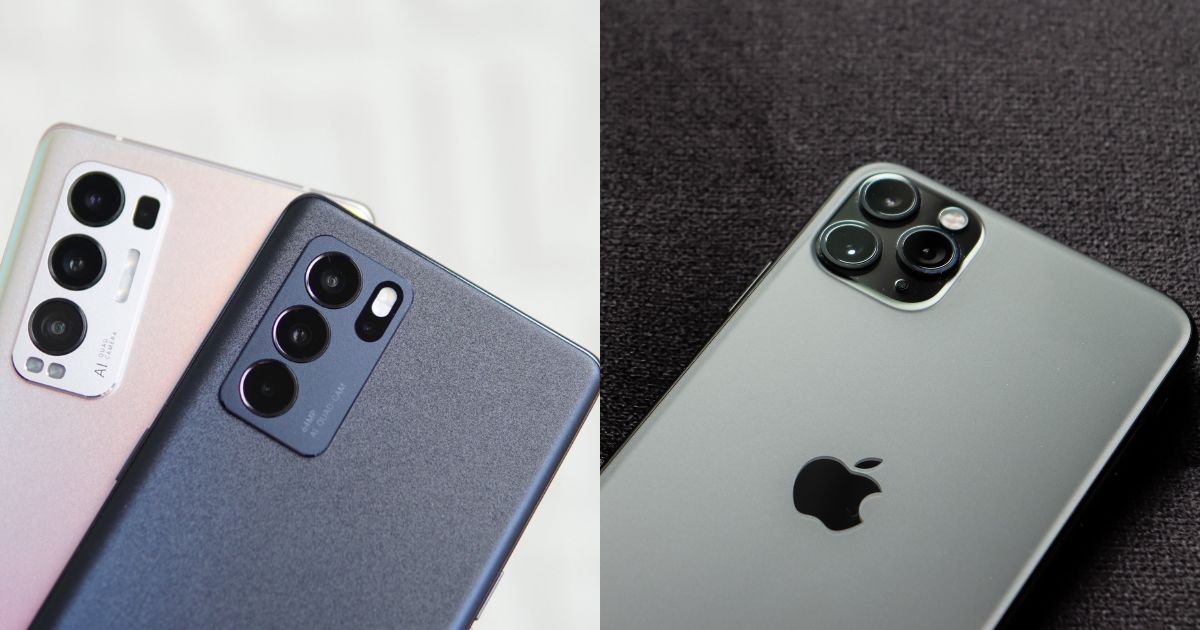
Head-to-Head Flagship Showdown: The Ultimate Comparison of the New iPhone and Leading Android Phones 🍎🤖
Choosing a new flagship smartphone in today’s highly competitive market is more complex than ever. The perennial debate of iPhone vs. Android has evolved from a simple operating system preference into a nuanced comparison of cutting-edge hardware, revolutionary AI features, and sophisticated ecosystem integration. This comprehensive guide provides a deep dive into the latest generation of flagship devices specifically the newest iPhone model (e.g., iPhone 17 Pro), the Samsung Galaxy S-series Ultra (e.g., Galaxy S25 Ultra), and the Google Pixel Pro (e.g., Pixel 10 Pro) to help you decide which powerhouse truly delivers the best flagship smartphone experience for your needs in 2025 and beyond.
1. Performance and Chipset: Raw Power vs. AI Optimization
The core of any modern flagship phone is its processing unit. This year, the performance gap remains slim at the top end, but the focus has shifted dramatically toward Artificial Intelligence (AI) processing.
The Apple Advantage: A-Series Chipset
Apple’s latest A-series Pro chip (e.g., A19 Pro) continues to set the benchmark for raw, single-core processing speed.
- The Power: Apple’s proprietary silicon (manufactured on a leading-edge process like 3nm) ensures unrivaled speed for intensive tasks like video editing, high-fidelity gaming, and demanding professional applications. The deep, unified optimization between the iOS operating system and the A-series chip guarantees sustained performance over time and exceptional power efficiency.
The Android Titans: Snapdragon vs. Tensor
The leading Android flagships rely on two main powerhouses, each with a distinct philosophy.
- Qualcomm Snapdragon (e.g., Snapdragon 8 Gen 4): Typically powering the Samsung Galaxy Ultra line and other top-tier phones, this chipset prioritizes raw multi-core performance and unparalleled GPU power for mobile gaming.
- Google Tensor (e.g., Tensor G5): Exclusive to the Google Pixel series, the Tensor chip is custom-designed for on-device machine learning and AI. Its strength lies in handling real-time tasks like advanced photography, instantaneous transcription, and the new wave of Generative AI features (like Gemini Live or Pixel Studio).
Insight: For users prioritizing pure speed and gaming frame rates, the iPhone or a Snapdragon-equipped Android (like the Galaxy S25 Ultra) may win. For users seeking the best AI features and computational photography, the Google Pixel’s Tensor chip offers a compelling edge.
2. Camera System: Computational Photography and Versatile Zoom
The modern smartphone camera has replaced the point-and-shoot, and this year’s flagships deliver pro-grade camera quality across the board. The difference now lies in the approach to photography Apple’s consistency versus Android’s versatility.
| Feature | New iPhone Pro (e.g., 17 Pro) | Samsung Galaxy Ultra (e.g., S25 Ultra) | Google Pixel Pro (e.g., 10 Pro) |
| Main Sensor | High-resolution (e.g., 48MP) | Ultra-high resolution (e.g., 200MP) | High-resolution (e.g., 50MP) |
| Optical Zoom | Excellent long-range zoom (e.g., 5x Telephoto) | Industry-leading multi-telephoto system (e.g., 3x and 10x or 5x folded zoom) | Versatile zoom (e.g., 5x Telephoto) |
| Photography Style | Color Accuracy, consistency, and best-in-class video recording. | Bright, Vivid colours, and incredible zoom capabilities. | Computational Photography, natural tones, and unparalleled low-light performance (Night Sight). |
| Key Camera Keyword | iPhone cinematic mode video quality | Galaxy S25 Ultra 100x Space Zoom | Google Pixel computational AI camera |
The Takeaway:
- iPhone: Remains the uncontested champion for mobile videography and consistent, true-to-life images.
- Galaxy Ultra: Dominates the zoom comparison, offering optical reach that the others cannot match.
- Pixel Pro: Excels at low-light photography and uses AI to deliver perfect photos without user intervention.
Read How to Choose the Best Camera Phone Under 30,000 to 40,000 in 2025?
3. Battery Life and Charging Speed: Endurance vs. Convenience
For many users, long-lasting battery life and fast charging are the most critical factors for daily usage.
| Category | New iPhone Pro | Leading Android Phones (Galaxy/Pixel) |
| Battery Life | Exceptionally strong due to chip optimization; often delivers an all-day charge, particularly the Pro Max model. | Highly variable; some Androids, particularly gaming-focused models, offer multi-day battery life thanks to massive capacity (e.g., 5000mAh+). |
| Wired Charging | Fast, but often slower than competitors (e.g., 27W charging). | Blazing fast charging is standard (e.g., 45W, 65W, or even 120W+ on some models), allowing a full charge in under an hour. |
| Standard Port | USB-C (due to industry standardization). | USB-C across all flagships. |
| Longtail Keyword | iPhone 17 Pro Max longest battery life review | Fastest smartphone charging speed 2025 |
Conclusion: Android flagships overwhelmingly win the charging speed battle, providing the convenience of a quick top-up. However, the largest iPhone models frequently compete for the best overall battery endurance thanks to their superb hardware-software efficiency.
4. Operating System and Ecosystem: iOS vs. Android
The choice between a new iPhone and leading Android phones ultimately comes down to the operating system and the ecosystem it creates.
🌟 iOS and the Apple Ecosystem
- Security and Updates: iOS is renowned for its superior security and privacy features. Apple provides timely software updates across its supported devices for 5-6 years, guaranteeing long-term relevance.
- Ecosystem Integration: The seamless integration with Mac, iPad, and Apple Watch (AirDrop, Handoff, Continuity) remains a significant selling point that Android struggles to match.
- User Experience (UX): A consistent, refined, and user-friendly interface that prioritizes simplicity and polish.
Learn – Can a New iOS Update Help Safeguard Your Data if Your iPhone is Stolen?
🤖 Android and the Freedom of Choice
- Customization and Control: Android is the clear winner for smartphone customization. Users have the freedom to change launchers, widgets, and the overall look and feel to an extensive degree.
- Hardware Variety: The open nature of Android means a vast array of hardware options, price points, and features (e.g., expandable storage, stylus support on Samsung, unique foldable designs).
- AI Integration: Google’s deeper, system-level integration of its AI—especially in the Pixel line—provides advanced features like Call Screening and Magic Editor that surpass Siri’s capabilities.
5. Durability, Design, and Value
All flagships now boast IP68 water resistance and premium materials like titanium or ceramic shields. However, the price and long-term value differ:
- iPhone: Maintains a higher resale value over time, making the initial investment more palatable when considering future trade-in credit. The design is consistently premium and recognizable.
- Android: Offers a broader price range for flagship features. Samsung’s Ultra models often bundle a signature accessory like the S Pen, adding value for creative professionals and note-takers. Google Pixels, while excellent, typically depreciate faster.
Read Top Strategies to Save on the iPhone 15 Pro Max 1TB in 2025
The Final Verdict: Which Flagship is Right for You?
The comparison of the new iPhone and leading Android phones reveals that both platforms are delivering exceptional technology. The “best” choice is purely personal, centered around your priorities:
- Choose the New iPhone Pro if you prioritize:
- Best-in-class video recording and consistent photo quality.
- Unrivaled performance and long-term software support.
- Seamless ecosystem integration with other Apple products.
- Superior privacy and high resale value.
- Choose a Leading Android Phone (Galaxy Ultra or Pixel Pro) if you prioritize:
- Maximum customization and hardware variety.
- Industry-leading fast charging speed (especially the Galaxy line).
- Advanced AI features and computational photography (especially the Pixel line).
- The best zoom camera available on a smartphone (especially the Galaxy Ultra).
In the end, you’re choosing between Apple’s polished precision and unified ecosystem and Android’s vast customization and feature diversity. Both are excellent choices, ensuring you get one of the best smartphones of 2025.
Frequently Asked Questions (FAQ)
Q1: What is the main difference in performance between the new iPhone and leading Android phones? A: The main difference lies in focus: the new iPhone (A-series Pro chip) excels in raw single-core speed and overall system optimization. Leading Android phones (Snapdragon/Tensor) focus more on multi-core performance and are increasingly optimized for on-device Artificial Intelligence (AI) and machine learning tasks.
Q2: Which phone offers the best camera for mobile videography? A: The newest iPhone model consistently offers the best-in-class video recording capabilities. Its tight integration between the camera hardware and the iOS software results in the most stable, highest-quality, and most color-accurate video, including features like Cinematic Mode.
Q3: Which device is better for users who want maximum customization and hardware choices? A: Leading Android phones are far superior for users who value customization. The open-source nature of the Android OS allows for extensive personalization (launchers, widgets, themes), and the platform offers a huge variety of hardware options across different brands, sizes, and price points.
Q4: Do Android phones charge faster than the new iPhone? A: Yes. Flagship Android phones (like the Samsung Galaxy Ultra) almost always offer blazing fast wired charging speeds (often 45W and higher) that allow a full charge in under an hour. While the new iPhone supports fast charging, it typically charges at slower maximum speeds than its top Android competitors.
Q5: Which platform offers better long-term software support and security? A: The iPhone platform is superior for long-term support. Apple provides timely software and security updates for their devices for 5-6 years, ensuring the phone remains secure and functional for longer. Android updates are dependent on the manufacturer and often cease sooner.
Have any thoughts?
Share your reaction or leave a quick response — we’d love to hear what you think!
-
 0
0
-
 0
0
-
 0
0
-
 0
0
-
 0
0
-
 0
0