

Table of Contents
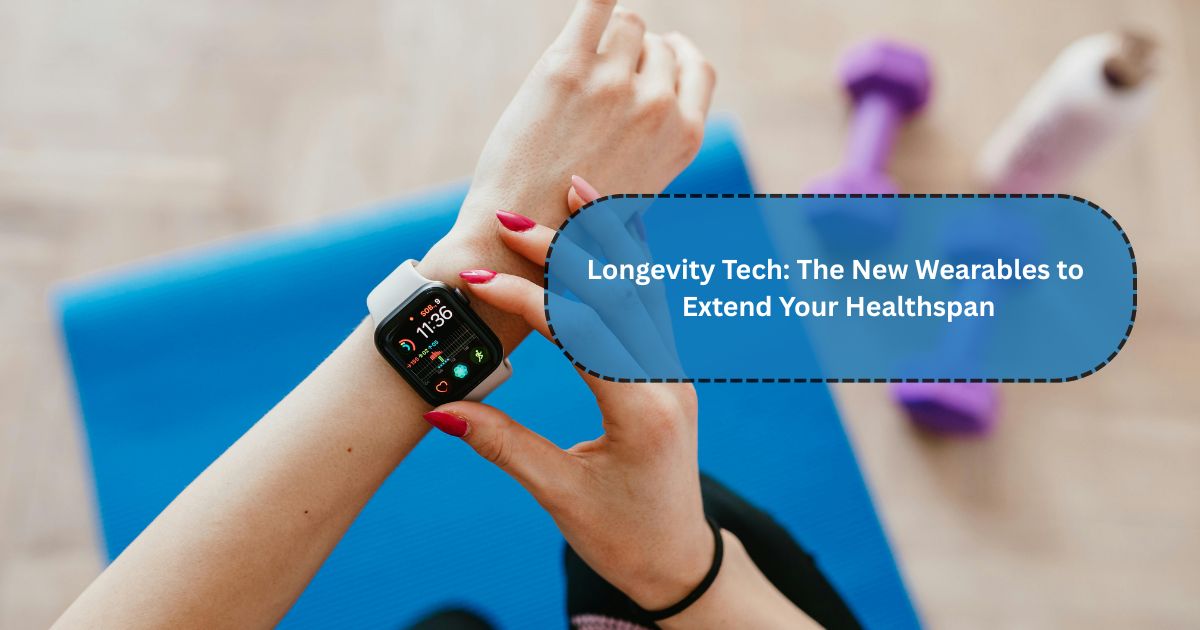
Longevity Tech is the New Fitness Tracker: Wearables, Blood Tests, and Supplements Promising to Extend Your ‘Healthspan’
For the last decade, our fitness trackers measured steps, logged calories, and maybe analyzed sleep duration. They were great for measuring activity.
But today, the focus in health technology has fundamentally shifted. It’s no longer just about tracking how many calories you burn; it’s about measuring the rate at which you age. The new frontier is Longevity Tech, and its goal isn’t just to extend your lifespan (how long you live), but to dramatically extend your healthspan (how long you live in good health).
Longevity Tech is turning health from a reactive endeavor (fixing problems after they appear) into a proactive, personalized, and predictive science. Here’s how the three pillars of longevity tech are changing the way we pursue well-being.
1. Pillar One: Advanced Wearables and Biofeedback
The modern wearable has evolved beyond the wrist and is now focused on granular, continuous physiological data. These devices provide the real-time feedback loops necessary for longevity optimization.
- Heart Rate Variability (HRV): This is the gold standard for stress and recovery. While basic trackers give you a single heart rate number, advanced rings and patches track the subtle variations in time between heartbeats. A high, stable HRV signals a resilient autonomic nervous system a key biomarker of youth and recovery.
- Continuous Glucose Monitoring (CGM): Historically for diabetics, CGMs are now mainstream longevity tools. They eliminate guesswork by showing how specific foods, stress, and sleep impact your blood sugar in real-time. Maintaining stable glucose is critical for metabolic health, a cornerstone of longevity.
- Deep Sleep and Recovery Tracking: Advanced sleep trackers use metrics like skin temperature, blood oxygen (SpO2), and micro-movements to precisely track the quality and depth of your slow-wave and REM sleep the times your body performs cellular repair.
- Keywords: Longevity tech, advanced wearables, heart rate variability (HRV), continuous glucose monitoring (CGM), sleep tracking, physiological data.
2. Pillar Two: Personalized Blood Biomarkers and Diagnostics
The next step beyond external tracking is looking inside. Instead of general annual blood work, longevity diagnostics focus on predictive biomarkers measurable indicators of biological processes.
- Biological Age vs. Chronological Age: Simple tests now use epigenetic analysis (looking at DNA methylation patterns) to estimate your biological age. This metric is far more relevant than your birthday age, showing if your lifestyle is making you age slower or faster than average.
- Telomere Length Testing: Telomeres are the protective caps on the ends of your chromosomes. As we age, they naturally shorten. Specialized tests measure this length, which correlates with cellular aging and disease risk.
- Microbiome Analysis: The composition of your gut bacteria (the microbiome) is linked to everything from mood to immune function. Longevity testing analyzes the diversity and health of your gut biome to guide personalized diet and supplement choices.
- Keywords: Biological age test, chronological age, DNA methylation, telomere length, longevity diagnostics, personalized biomarkers, microbiome analysis.
3. Pillar Three: Targeted Supplements and Pharmaceutical Interventions
With precise data from wearables and blood tests, we can move away from generic multivitamins to highly targeted nutraceuticals and emerging pharmaceutical compounds. This is the personalized intervention phase.
- NAD+ Precursors: Compounds like NMN and NR are precursors to Nicotinamide Adenine Dinucleotide (NAD+), a critical coenzyme for cellular energy and repair that declines with age. Supplementing aims to boost cellular repair mechanisms.
- Senolytics: These are a revolutionary class of compounds (still largely experimental) designed to target and clear out senescent cells often called “zombie cells” which accumulate with age and cause inflammation.
- Personalized Supplement Stacks: The data from CGM and biomarker tests dictate exact nutritional deficiencies or metabolic requirements. This allows practitioners to build a hyper-personalized supplement stack tailored to slow your unique rate of biological aging.
- Keywords: NAD+ precursors, NMN supplements, senolytics, cellular longevity, personalized supplementation, anti-aging compounds.
The Shift: From Reactive to Predictive Health
Longevity Tech marks the end of generalized healthcare advice. The future is a personalized feedback loop:
- Measure: Use wearables (HRV, Sleep) and diagnostics (Biological Age, Biomarkers).
- Intervene: Apply targeted lifestyle changes, diet shifts, and personalized supplements.
- Validate: Remeasure the biomarkers to see if the interventions successfully slowed the rate of aging and extended your healthspan.
The era of simply counting steps is over. The new goal is data-driven immortality or, at the very least, a much longer, much healthier life. Invest in your healthspan with the same rigor you apply to your portfolio.
Frequently Asked Questions (FAQ)
Q1: What is the difference between Lifespan and Healthspan?
A: Lifespan is the total number of years an individual lives (from birth until death). Healthspan is the period of life spent in good health, free from chronic diseases and age-related disability. Longevity tech aims to extend your Healthspan, meaning you remain functional and vibrant for a larger percentage of your total life.
Q2: What is Heart Rate Variability (HRV), and why is it important for longevity?
A: HRV measures the tiny, natural variations in the time interval between consecutive heartbeats. High and stable HRV signals a well-regulated autonomic nervous system that is resilient to stress, highly adaptive, and well-recovered. Low HRV is often linked to chronic stress, inflammation, and a higher risk of health issues, making high HRV a key biomarker of a healthy, younger biological system.
Q3: How do Continuous Glucose Monitors (CGMs) contribute to longevity, not just diabetes management?
A: CGMs provide real-time data on how your blood sugar responds to different foods, exercise, and stress. Maintaining stable glucose levels is fundamental to metabolic health. For longevity, CGMs help users identify and eliminate foods that cause blood sugar spikes, which contribute to chronic inflammation, insulin resistance, and accelerated aging.
Q4: What is Biological Age, and how is it measured?
A: Biological Age is a measure of the physiological and functional status of a person’s body, often estimated using epigenetic clocks that look at DNA methylation patterns. It can be younger or older than your chronological age (your age in years). This metric is a personalized indicator of the effectiveness of your lifestyle and longevity interventions.
Q5: What are Senolytics?
A: Senolytics are a class of experimental compounds designed to target and selectively eliminate senescent cells (often called “zombie cells”). These cells stop dividing but don’t die, accumulating in the body as we age and causing chronic, low-grade inflammation. By clearing them out, senolytics aim to reduce inflammation and slow age-related tissue degradation.
Have any thoughts?
Share your reaction or leave a quick response — we’d love to hear what you think!
-
 0
0
-
 0
0
-
 0
0
-
 0
0
-
 0
0
-
 0
0