
Table of Contents
In 2026, the home office is more than just a place to work; it is a controlled biological environment. As remote work becomes the permanent standard, a new wellness trend has emerged at the intersection of biohacking and home automation: Micro-Dosing Sunlight.
This strategy isn’t about sitting outside for hours. It’s about using the science of Lux levels and Smart-Home Circadian Lighting to cure Seasonal Affective Disorder (SAD) and reclaim the cognitive “Alpha” lost to indoor living.
Micro-Dosing Sunlight: How Lux-Optimized Smart Lighting Cures SAD for Remote Workers
For the modern professional, the greatest health risk isn’t a sedentary desk it’s biological darkness. Even a home office with large windows rarely exceeds 500 Lux, whereas a simple cloudy day outdoors provides over 1,000 to 5,000 Lux. This discrepancy is the primary driver of Seasonal Affective Disorder (SAD) and the dreaded “afternoon slump.”
The Science of “Lux”: Why Intensity Matters
Lux is the measurement of light intensity hitting a surface. To the human brain, Lux is a chemical signal. When high-intensity light (specifically in the blue-wavelength spectrum) hits the intrinsically photosensitive Retinal Ganglion Cells (ipRGCs) in your eyes, it triggers a cascade of physiological responses:
- Cortisol Awakening Response: High Lux levels in the morning (10,000 Lux) trigger the release of cortisol, which sharpens focus and resets your internal clock.
- Serotonin Production: Bright light exposure is directly linked to serotonin synthesis, the “feel-good” neurotransmitter that combats the depressive symptoms of SAD.
- Melatonin Suppression: Maintaining high Lux levels during the workday prevents “daytime sleepiness” by keeping melatonin levels at bay until sunset.
Micro-Dosing: A New Protocol for 2026
You don’t need a 30-minute dedicated “light box session” to see results. Micro-dosing sunlight involves integrated, automated bursts of high-intensity light through your existing smart home ecosystem.
1. The “Sunrise Anchor” (8:00 AM – 9:00 AM)
Your smart bulbs should be programmed to hit 100% brightness at 5,000K–6,500K (Cool White) the moment your alarm goes off. This mimics the rapid rise of the sun, signaling your brain to “anchor” its circadian rhythm for the day.
2. The “Cognitive Boost” Micro-Dose (1:00 PM – 2:00 PM)
The post-lunch energy dip is often caused by a lack of light stimulus. New 2026 smart lighting systems, such as TUO Circadian Bulbs, use patented frequencies to stimulate the eye’s “Amacrine cells” even at lower brightness levels, providing a mental “micro-dose” of energy without the glare of traditional SAD lamps.
3. The “Sunset Fade” (5:00 PM – Bedtime)
To cure SAD, you must also master the dark. Transitioning your workspace to 2,700K (Warm Orange) and dropping the intensity below 100 Lux allows your body to begin the 4-hour “Melatonin Ramp,” ensuring deep, restorative sleep—the ultimate defense against seasonal depression.
Best Smart-Home Lighting for SAD in 2026
If you are building a bio-optimized home office, these are the tools currently leading the market:
| Device Type | Top Recommendation (2026) | Key Feature |
| Smart Bulb | TUO Circadian Smart Bulb | Uses “Amacrine” cell activation to work at lower, more comfortable Lux levels. |
| Desk Lamp | Lumie Task | A dual-purpose high-Lux (10,000) lamp that functions as a high-end designer task light. |
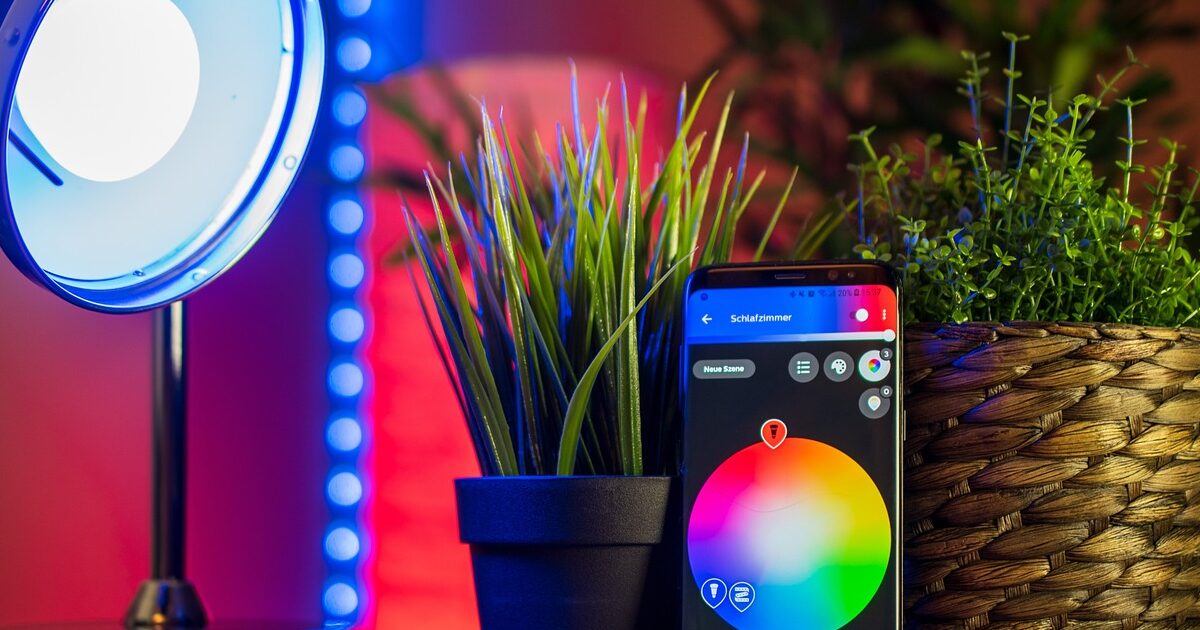
| Ecosystem | Philips Hue + Adaptive Lighting | Seamlessly integrates with Apple Home/Google Home to automate color shifts. |
| Portable | Beurer TL30 | Ultra-slim tablet-sized light for “micro-dosing” during Zoom calls. |
Implementing Your Light Strategy
To start micro-dosing today, you don’t need an expensive overhaul.
- Place your desk within 2 feet of a window. Even an overcast sky provides 10x more Lux than a standard ceiling fixture.
- Upgrade your “work lamp” to a 10,000 Lux model. Use it for 20 minutes during your first hour of work.
- Automate your color temperature. Ensure your lights turn warm and dim the moment you “clock out.”
The SilverScoop Insight: In the world of high-performance remote work, light is a drug. Use it strategically, and you can effectively “delete” winter blues from your biology.
FAQs’
Q: Can I get enough Lux from a standard LED bulb? A: Most standard bulbs provide 100–300 Lux. To treat SAD, you need dedicated “Light Therapy” bulbs or specific Circadian bulbs designed to output high-intensity wavelengths.
Q: Is “Micro-Dosing” as effective as one long session? A: Recent 2025 studies suggest that frequent “pulses” of light throughout the day can be more effective for maintaining daytime alertness than a single session, as it consistently suppresses melatonin.
Have any thoughts?
Share your reaction or leave a quick response — we’d love to hear what you think!
-
 0
0
-
 0
0
-
 0
0
-
 0
0
-
 0
0
-
 0
0