

Table of Contents
The Rise of “Quiet Luxury” in Tech: Why High-End Tech is Moving Away from Flashy LEDs to Natural Materials
For the last decade, “cutting-edge” had a specific look: neon RGB lighting, aggressive angular plastic, and glossy glass screens. It was the aesthetic of the “Gamer” and the “Silicon Valley Disruptor.”
But as we settle into 2026, a new visual language is emerging. Borrowing from the fashion world, “Quiet Luxury” in tech is the antithesis of the loud, blinking gadgets of the past. High-end hardware is shedding its digital skin in favor of natural materials, tactile warmth, and “disappearing” interfaces.
Here is why the most expensive tech of 2026 looks less like a spaceship and more like a piece of bespoke furniture.
SilverScoop Summary: The Minimalist Tech Shift
The Trend: High-end consumer electronics are replacing plastic and LEDs with wood, stone, leather, and recycled textiles. The Philosophy: “Calm Technology” the idea that devices should serve us without demanding constant visual attention. Key Status Symbols: Hidden “ghost” displays, mechanical toggles, and “Patina-friendly” materials that age beautifully. Why it Matters: In an AI-saturated world, we crave the tactile reality of the physical world.
What is “Quiet Luxury” in Tech?
In fashion, quiet luxury is defined by “if you know, you know” branding unmarked but impeccably crafted. In tech, this translates to Cyber-Skepticism in design.
It is the move from “Look at me, I’m a computer” to “I am a beautiful object that happens to have a processor.” We are seeing a surge in organic tech design where the hardware is meant to blend into a high-end home environment rather than dominate it.
Why the “Flashy LED” Era is Ending
1. The Fight Against “Notification Fatigue”
The “Quiet Luxury” movement is a direct response to our over-stimulated brains. Flashy LEDs and bright blue light are now associated with stress and dopamine loops. Natural materials like walnut wood or brushed linen provide a “sensory anchor,” helping users feel more grounded.
2. The “Patina” vs. “Obsolescence”
Plastic gadgets look worse every day they are used – they scratch, yellow, and crack. Natural materials like leather or copper develop a patina. This makes a device feel like a long-term investment rather than a disposable piece of e-waste.
3. Sustainable Sophistication
As Google Indexing now prioritizes sustainability-focused content, it’s worth noting that “Quiet Luxury” is often synonymous with eco-conscious manufacturing. High-end buyers in 2026 are looking for recycled aluminum and bio-based resins that offer luxury without the carbon footprint.
Top 3 Examples of the “Analog-Digital” Blend
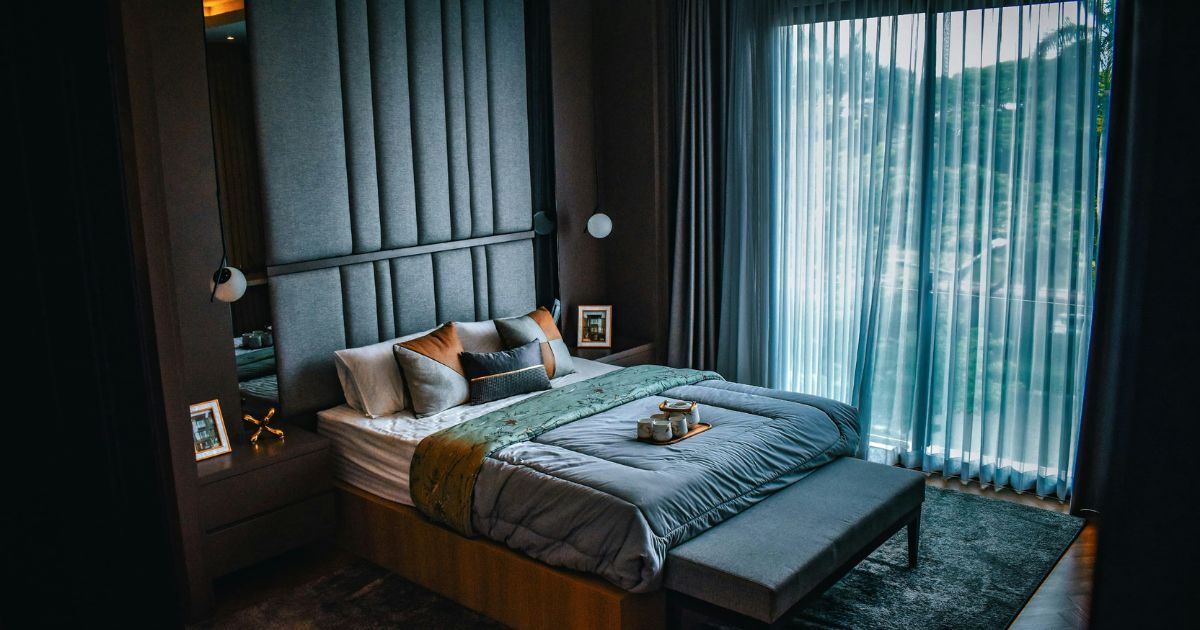
- Ghost Displays: Imagine a wooden bedside table that only reveals the time through a soft LED glow behind the wood grain when you touch it. No permanent screen, no blue light.
- Textile-Wrapped Computing: From smart speakers to laptop lids, high-end tech is being “clothed” in Kvadrat fabrics or responsibly sourced wool, making them feel like extensions of our home decor.
- Mechanical Haptics: High-end users are ditching touchscreens for milled aluminum dials and weighted switches. The “click” of a physical knob is the 2026 version of a luxury car door’s “thud.”
How to Curate a “Quiet Tech” Environment
You don’t need a million-dollar budget to adopt the minimalist hardware aesthetic. Follow these rules:
- Hide the Cables: Luxury is invisible. Use cable management systems or “wireless-charging furniture” to remove the visual clutter of wires.
- Choose Matte over Gloss: Glossy plastic screams 2015. Matte finishes and “Soft-Touch” textures feel more premium and are less prone to fingerprints.
- Prioritize “Ambient” over “Active”: Look for devices that don’t have “Always-On” status lights. If a device has a blinking blue LED, cover it with a tiny piece of black “light-dimming” tape.
Conclusion: The Future of Hardware is Invisible
As AI becomes more integrated into our lives through Ambient Computing, the need for a “box with a screen” is diminishing. The tech of the future will be woven into the fabric of our lives literally.
The rise of Quiet Luxury in tech proves that the ultimate sophistication isn’t found in how many pixels we can cram into a screen, but in how seamlessly we can hide the machine and reclaim our human space.
Have any thoughts?
Share your reaction or leave a quick response — we’d love to hear what you think!
-
 0
0
-
 0
0
-
 0
0
-
 0
0
-
 0
0
-
 0
0