
Social Media’s Impact on Indian Youth: Trends & Concerns
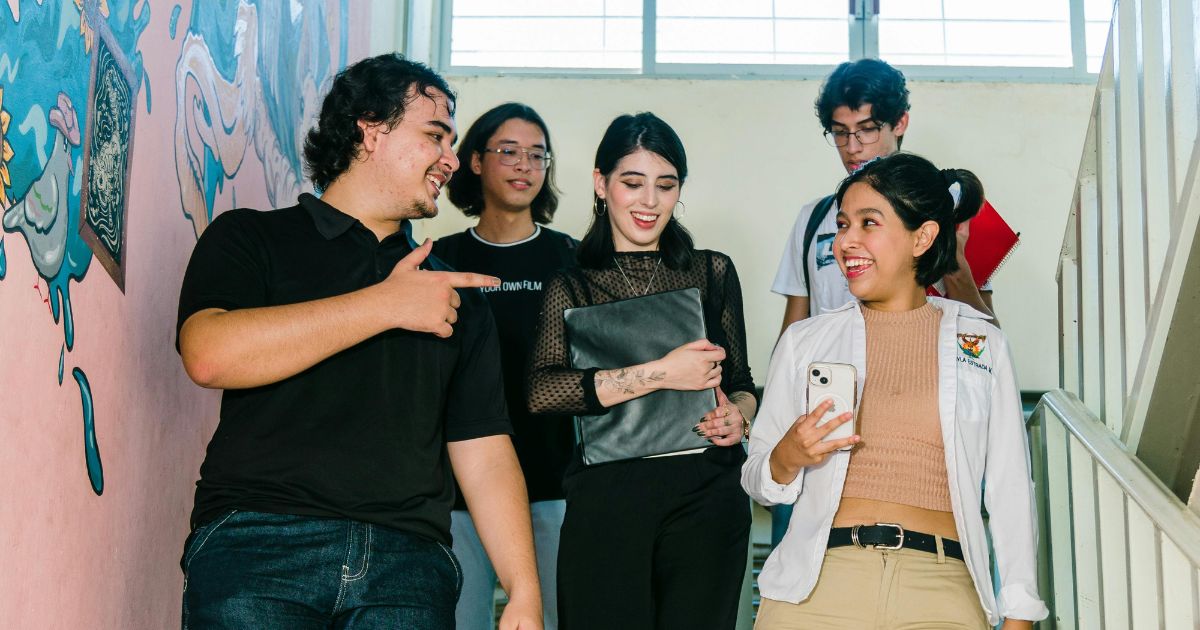
Social media platforms have revolutionized how Indian youth communicate, learn, and build their identities. With over 700 million internet users in India most of them under the age of 30 the influence of platforms like Instagram, WhatsApp, Facebook, and YouTube on young people is both undeniable and complex. This post explores the dynamic trends, major benefits, and rising concerns associated with social media’s impact on Indian youth in 2025.
The Rise of Social Media Among Indian Youth
India’s rapid digitalization and affordable smartphones have driven social media penetration across urban and rural areas. According to the Internet and Mobile Association of India, around 70% of urban youth and 45% of rural youth now actively use social media.
Positive Impacts: Connectivity, Education, and Empowerment
1. Enhanced Communication and Social Connectivity
Social media bridges geographical gaps, helping young Indians stay in touch with friends and family—especially when migrating for education or work. Real-time messaging and video calling have mitigated feelings of isolation among young adults.
2. Access to Information and Digital Learning
Platforms like YouTube and LinkedIn provide access to online courses, competitive exam preparation, and skill development content for free. Many students use social media for academic collaboration, sharing notes, and keeping up with the latest educational trends.
3. Platforms for Activism and Self-Expression
Movements such as #MeToo and #FarmersProtest gained traction through Twitter and Instagram, enabling youth activism and civic engagement. Social media empowers Indian youth to voice their opinions, break taboos, and advocate for social change, fostering digital citizenship.
4. Entrepreneurial and Career Opportunities
The “creator economy,” led by YouTube and Instagram influencers, grew from 962,000 in 2020 to over 4 million in 2024, generating new career paths as content creators, digital marketers, and social entrepreneurs. Social media is now crucial for job search, personal branding, and small business growth.
Negative Impacts: Mental Health, Productivity, and Cultural Concerns
1. Mental Health Issues: Anxiety and Depression
Constant exposure to curated lifestyles and unrealistic standards on platforms like Instagram fosters negative self-comparison, low self-esteem, and symptoms of anxiety and depression among young people.
- Cyberbullying: Social media exposes youth to online harassment, trolling, and body-shaming. Cyberbullying and fear of missing out (FOMO) are significant mental health risk factors, with 27% of Indian teens showing signs of social media dependency in 2025.
- Addiction and Reduced Productivity: Excessive screen time can distract from studies and work, hamper academic performance, and erode discipline and focus.
2. Social Isolation and Erosion of Interpersonal Skills
While social media enhances virtual connections, it can lead to a decline in face-to-face social skills and family interactions. Many young Indians now prioritize online relationships over personal bonds, leading to social isolation and generational gaps.
3. Privacy, Security, and Misinformation
Most young users are not fully aware of privacy risks, making them vulnerable to identity theft and security breaches. Viral fake news and misinformation further polarize opinions and sometimes trigger panic or real-world consequences.
4. Cultural Change and Identity Conflicts
Rapid digital adoption presents a cultural “lag”—youth navigate hybrid identities, balancing modern digital aspirations with traditional family values. Exposure to global trends often clashes with India’s collectivist ethos and can foster a materialistic mindset.
Trends to Watch: Digital Citizenship and Behavioral Shifts
- Influence of Meme and Influencer Culture:
Memes, viral reels, and influencers are redefining youth lifestyles, fashion, and political awareness. - Rise of Short-Form Video Content:
Platforms like Instagram Reels and YouTube Shorts dominate, driving content consumption and trends. - Growth of Vernacular Social Platforms:
Hindi, Tamil, and other regional-language content is booming, widening access beyond English speakers. - Politicization and Civic Engagement:
Young Indians use social media for organizing campaigns, sharing opinions, and engaging with politics, which can be both empowering and polarizing.
Addressing the Concerns: What Can Be Done?
1. Promote Digital Literacy in Schools and Colleges
Including modules on responsible online behavior, critical thinking, and recognizing misinformation can empower youth to use social media positively.
2. Mental Health Support and Awareness
Counseling, online support groups, and digital wellness campaigns should be promoted. Parents, educators, and policy makers must address the stigma around mental health and offer safe spaces for discussion.
3. Privacy and Security Education
Teaching safe online practices and privacy management can reduce vulnerabilities to cyber threats.
4. Encourage Offline Activities and Healthy Habits
Parents and schools should support real-life socialization, sports, and creative hobbies to offset the drawbacks of excessive digital immersion.
❓Frequently Asked Questions
Q: How many Indian youth use social media in 2025?
A: Over 70% of urban youth and nearly half of rural youth in India are active on social media platforms.
Q: What are the top social media platforms among Indian youth?
A: Instagram, WhatsApp, Facebook, YouTube, and more recently, short video apps like Instagram Reels and YouTube Shorts.
Q: How does social media affect mental health?
A: Excessive social media leads to anxiety, depression, sleep disorders, cyberbullying, and increased pressure to conform to unrealistic standards.
Q: Are there any benefits of social media for Indian youth?
A: Yes social media fuels connectivity, education, career and entrepreneurial opportunities, activism, and self-expression.
Q: What steps can address the negative impact of social media on youth?
A: Digital literacy, mental health support, privacy education, and balancing online with offline activities are key solutions.
Conclusion: A Balanced Digital Future
Social media is a double-edged sword for Indian youth, offering both empowerment and new risks. Harnessing its positives while curbing its harms requires a conscious, collective approach from schools and parents, to tech companies and policy makers. Teaching digital citizenship and supporting mental health are crucial for ensuring that India’s youth can thrive in an evolving digital world.
How has social media shaped your life or community? Share your thoughts and ideas for a safer, more positive digital environment in the comments below!
Have any thoughts?
Share your reaction or leave a quick response — we’d love to hear what you think!
-
 0
0
-
 0
0
-
 0
0
-
 0
0
-
 0
0
-
 0
0