

Table of Contents
Top Indian Startups in Clean Tech and Agritech to Watch in 2026
India’s startup ecosystem surges toward sustainability, with clean tech and agritech sectors attracting over $2.4 Bn in funding since 2014 amid climate challenges and food security needs. Clean tech innovators tackle waste-to-energy and battery recycling, while agritech platforms boost farmer incomes through AI and IoT. Tier-3 cities emerge as hotspots, offering localized solutions in agriculture and renewables with lower costs and untapped talent. This post spotlights top startups, their funding traction, and tier-3 growth potential for 2026.
Clean Tech Pioneers Driving Green Innovation
Clean tech startups lead India’s net-zero push, focusing on biofuels, recycling, and emissions control. GPS Renewables, founded in 2012, converts organic waste into bio-CNG via its BioUrja plants, powering 400 Indore buses from a 550-tonne daily waste input; it raised $73 Mn including Series B from Neev Fund II and plans eight new CBG plants via JV with Oil India Ltd. BatX Energies recycles lithium-ion batteries into high-purity materials like lithium and nickel, securing $6.66 Mn from LetsVenture and family offices to build reverse logistics nationwide.
altM transforms agricultural residue into sustainable materials, raising $3.5 Mn from Omnivore to cut corporate carbon footprints. Hygenco produces green hydrogen and ammonia, backed by $25.4 Mn from Neev II for multi-megawatt facilities reducing steel emissions by 2,700 tonnes yearly. Lohum manages full battery lifecycles, raising $44.38 Mn for EV and storage packs amid giga-factory booms. These firms eye tier-3 expansion GPS Renewables targets rural waste hubs in Bihar and UP, leveraging low land costs for scalable biomethanation.
Funding flows from Omnivore (4 clean tech bets) and Peak XV Partners, signaling investor confidence in scalable green tech. Tier-3 opportunities abound: startups like Greenjoules produce agri-residue biofuels for industrial boilers, ideal for decentralized manufacturing in smaller cities where diesel dependency persists.
Agritech Disruptors Empowering Farmers
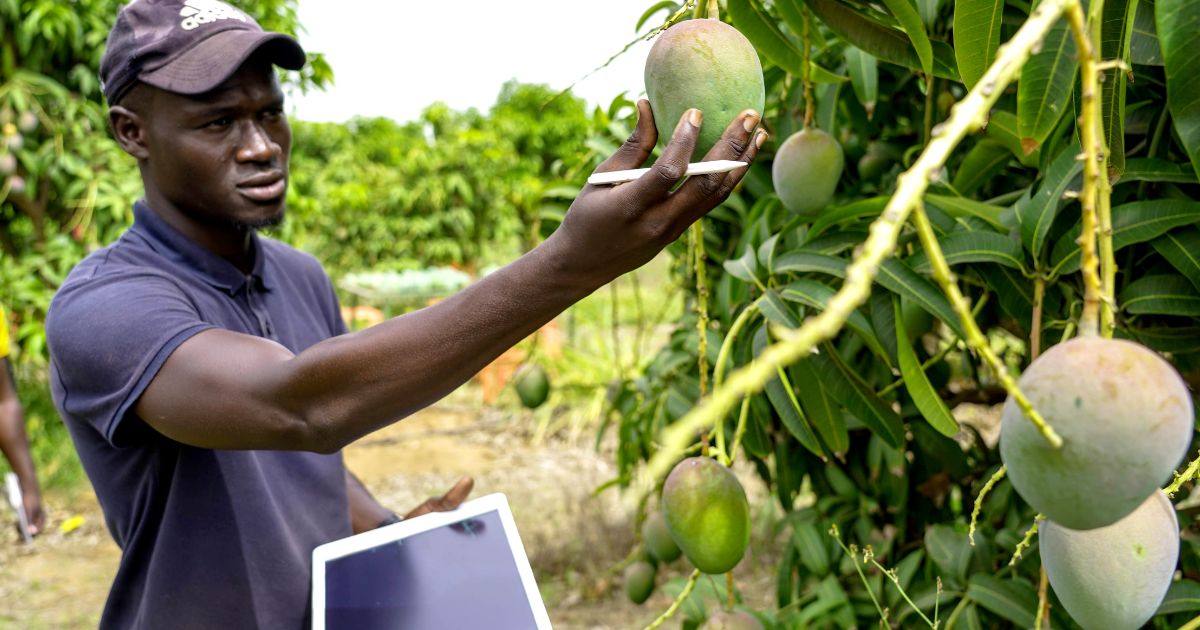
Agritech revolutionizes India’s farms, serving 5 Mn+ farmers with data-driven tools amid rising tech adoption. DeHaat, a full-stack platform, connects 2 Mn farmers via 11,000 centers for inputs, advisory, and markets; it raised $270 Mn from Peak XV and Sofina, launching Honest Farm pulses while acquiring AgriCentral. Ninjacart sources 1,400 tonnes daily from 20 states, supplying 17,000 retailers with $417.2 Mn funding from Tiger Global; FY24 revenue hit INR 2,002.7 Cr.
Fasal deploys AI-IoT for precision horticulture, optimizing water and yields across crop stages; $17 Mn from Omnivore and TDK Ventures doubles FY24 revenue to INR 34.1 Cr. GROWiT raised $3 Mn Series A from GVFL for climate-smart tools like pocket soil testers, targeting grassroots farmers. Arya.ag offers grain storage and finance for 1 Mn farmers, securing $30 Mn debt from HSBC and $19.8 Mn from DFC.
Omnivore dominates agritech investing with 64 deals, fueling platforms like BigHaat (4 Mn farmers, $23.78 Mn raised). Tier-3 cities unlock massive potential: startups address rural credit gaps via fintech and drone soil testing, as in Maharashtra’s 22 districts where Salam Kisan covers 15,000 acres. Ergos boosts incomes 30-35% with grain storage in 200+ Bihar/Karnataka warehouses.
Tier-3 Opportunities: The Next Growth Frontier
Tier-3 cities like Indore and Bhubaneswar drive startup hotspots with localized agritech for vernacular needs and clean tech for rural waste. GPS Renewables’ Indore BioCNG plant exemplifies this, processing household waste for urban buses while creating tier-3 jobs. Agritech like Farmtheory onboards 3,000+ farmers for waste-to-premium produce, raising $1.45 Mn to expand nationwide.
Investors like Indigram Labs (13 agritech bets) back tier-3 innovations in fintech and edtech-agri hybrids. Challenges include infrastructure, but opportunities shine: lower costs enable pilots, as DeHaat’s centers proliferate in underserved states. 2026 projections show $300 Mn+ green hydrogen investments and agritech scaling to 10 Mn farmers, prioritizing tier-3 for 30% income boosts.
Why Investors Bet Big in 2026
Funding rounds accelerate: Vegrow’s $86.5 Mn Series C achieves profitability via B2B fruit grading. Clean tech VCs like Transition Venture Capital (3 bets) fuel biogas and recycling amid India’s SDG goals. Tier-3 focus cuts logistics costs 20-30%, attracting $50 Mn debt for GPS expansions.
Government MoUs, like DeHaat-Drone Destination, amplify reach. Watch for IPOs like StarAgri (INR 500 Cr raised, 4.2 Mn MT capacity) and exits in battery tech. These startups blend profitability with impact, positioning India as a global green leader.
Future Outlook and Actionable Insights
2026 demands hybrid models: agritech-clean tech crossovers like altM’s residue biofuels. Investors target tier-3 via Omnivore’s 62 agritech deals. Farmers gain from AI advisories; businesses from ESG compliance.
Key Takeaways:
- Prioritize DeHaat/Ninjacart for supply chain scale.
- Bet on GPS/BatX for waste-energy recycling.
- Explore tier-3 pilots in Bihar/UP for 30% ROI uplift.
Recommended Readings: The Rise of Agri-Tech Startups in India: Solving the Farm-to-Market Supply Chain | Green Tech Startups: Building a Sustainable Future
FAQ: Top Indian Startups in Clean Tech and Agritech to Watch in 2026
Which clean tech startups have raised the most funding in India recently?
GPS Renewables leads with $73 Mn for bio-CNG plants from waste, followed by Hygenco at $25.4 Mn for green hydrogen production and Lohum’s $44.38 Mn for battery lifecycle management.
What are the top agritech platforms disrupting India’s farming sector?
DeHaat serves 2 Mn farmers with full-stack services and $270 Mn funding, while Ninjacart handles 1,400 tonnes daily for retailers with $417.2 Mn raised; Fasal uses AI-IoT for precision farming.
Why are tier-3 cities key opportunities for clean tech and agritech startups?
Tier-3 hubs like Indore and Bhubaneswar offer low costs, untapped talent, and localized needs—GPS Renewables’ Indore plant processes 550 tonnes waste daily, while agritech like Ergos boosts incomes 30-35% in Bihar.
Who are the leading investors in India’s clean tech and agritech space?
Omnivore tops with 64 agritech and 4 clean tech deals, Peak XV backs DeHaat, and Neev Fund II invests in Hygenco and GPS Renewables for scalable green innovations.
How do these startups contribute to India’s sustainability goals?
They enable net-zero via waste-to-energy (GPS), battery recycling (BatX), and precision agriculture (Fasal), cutting emissions by 2,700 tonnes yearly and serving 5 Mn+ farmers amid SDG targets.
What funding trends signal growth for 2026?
Series A/B rounds like GROWiT’s $3 Mn and Vegrow’s $86.5 Mn show profitability focus; tier-3 expansions attract debt like Arya’s $30 Mn from HSBC
Have any thoughts?
Share your reaction or leave a quick response — we’d love to hear what you think!
-
 0
0
-
 0
0
-
 0
0
-
 0
0
-
 0
0
-
 0
0