

Table of Contents
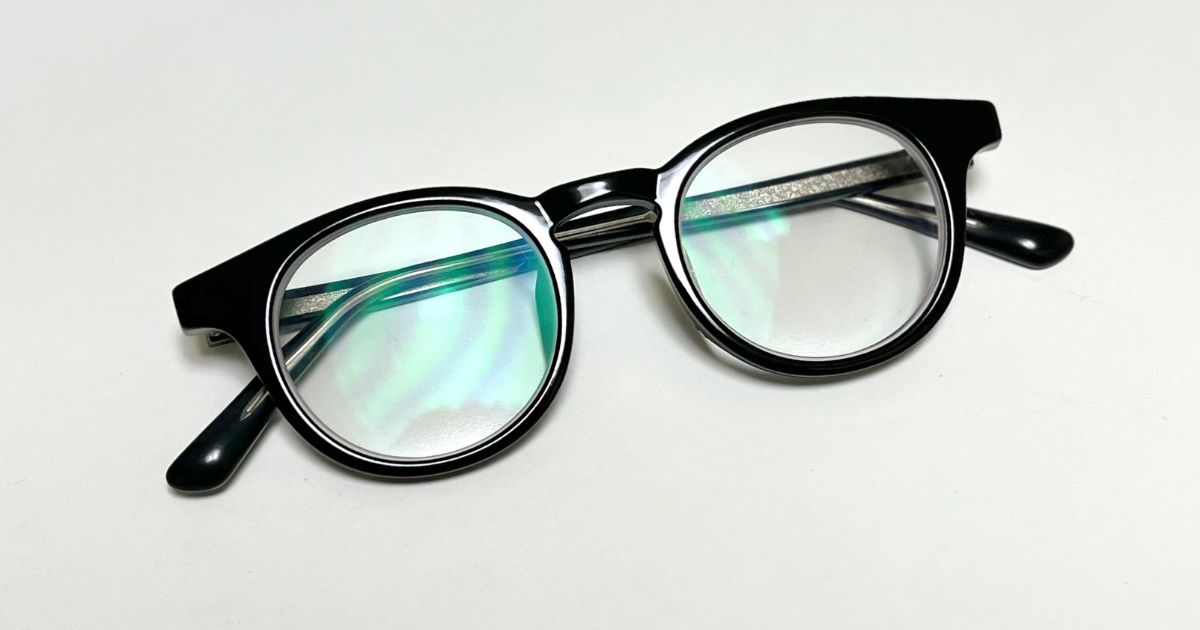
We’ve all been there: staring at a screen at 11:00 PM, wearing a pair of bright orange amber lenses, hoping a passive plastic barrier will magically cancel out the biological disruption of a 14-hour digital workday.
For years, defensive lifestyle habits like wearing blue light blocking glasses or enabling a smartphone’s dim “night mode” were hailed as the ultimate line of defense for our circadian rhythms. But the hard scientific data has caught up with the marketing hype. A comprehensive review published on PubMed Central (PMC) revealed that while filtering short-wave light can minorly shift sleep phase latency, standard blue-blocking lenses fail to prevent overall nighttime sleep disruption if screen exposure remains high.
Why? Because your brain doesn’t just react to light color; it reacts to stimulation, proximity, and interactive cognitive data.
Passive rest boundaries are no longer enough to clear the mental clutter of the modern digital landscape. We are rapidly moving beyond blue light glasses and stepping directly into the future of biohacking: active sleep modulation tech. This new generation of sleep optimization uses real-time environmental and neurological overrides to actively steer the central nervous system into deep, restorative states.
What is Active Sleep Modulation?
Passive sleep technology tells you how you already slept (think of smart rings or watches that give you a retrospective sleep score the next morning). Active sleep modulation tech, by contrast, changes your biology while you are asleep.
By integrating real-time electroencephalography (EEG) brainwave tracking, dynamic thermal steering, and localized artificial intelligence, these next-gen systems monitor your physiological transitions and deliver real-time targeted interventions such as acoustic frequencies or precise thermal drops to force your brain into deeper sleep stages.
| Feature | Legacy Defensive Tech (e.g., Blue Light Glasses) | Active Sleep Modulation Tech |
| Operational State | Passive / Preventative | Active / Intervention-Based |
| Primary Mechanism | Filters incoming light wavelengths | Rewires neural loops and core biology |
| Data Utilization | Static (Does not change based on body state) | Dynamic (Alters outputs via real-time biometric feedback) |
| Primary Goal | Minimize melatonin suppression | Actively extend slow-wave and REM cycles |
The Big Three Innovations Redefining Sleep Science
If you are looking to truly optimize your sleep architecture for peak cognitive performance, these are the three foundational pillars of the active sleep movement:
1. Neuro-Entrainment Sleep Wearables
We are moving far beyond the era of playing standard white noise from a phone speaker. The cutting edge of neural optimization relies on sleep-optimized headbands equipped with clinical-grade EEG sensors.
Devices like the Muse S platform use real-time EEG brainwave sleep tracking to monitor the exact moment your brain transitions from alert alpha waves to drowsy theta waves. Once you cross that threshold, the system initiates what is known as auditory neuro-entrainment. It emits phase-locked acoustic pulses calibrated perfectly to your natural brain rhythms, guiding your neural state into deep slow-wave sleep and keeping you there longer.
This brain-loop optimization pays massive dividends. A breakthrough study out of the University of California, Berkeley discovered that mapping and supporting these precise deep-sleep neural circuits directly triggers the release of vital growth hormones, which collectively fuel muscle recovery, metabolic health, and next-day mental performance.
2. Micro-Climate Thermal Steering
Your body doesn’t just need a “cool room” to sleep well; it requires a precise, dynamic thermal curve across the entire night. Your core body temperature must drop by roughly 2°F to initiate deep sleep cycles.
Modern climate ecosystems—like the Eight Sleep Pod 5 Ultra or the Chilipad Dock Pro completely replace traditional mattresses with water-regulated, dual-zone thermal surfaces. These systems use predictive AI to create a customized “thermal pre-load,” dropping the bed’s temperature to its lowest point roughly two hours after you fall asleep to maximize deep sleep. Conversely, they utilize a “thermal alarm clock” in the morning, gradually warming the surface to naturally suppress melatonin and boost cortisol, allowing you to wake up energized without a jarring audio alarm.
[Bedtime: Warm Comfort] ──> [2 Hours In: Deep Thermal Drop (-2°F)] ──> [Wake-up: Gradual Thermal Rise]
  • Calms nervous system       • Maximizes slow-wave sleep         • Naturally boosts cortisol
  • Promotes sleep onset       • Lowers heart rate                  • Suppresses melatonin
3. Non-Contact Radar and Localized Edge AI
For many founders, the friction of wearing a headband or a rigid ring to bed is enough to disrupt their rest entirely. The alternative is the rise of advanced non-contact bedside sensors.
Utilizing low-power micro-radar and sonar frequencies (similar to advanced automated office environments), these nightstand devices monitor chest wall movements, respiration metrics, and micro-gestures from a distance. Because this data is processed locally using decentralized edge AI, your raw biometric and environmental data remains completely private and air-gapped, protecting your personal sovereignty while offering up to 95% validation alignment with clinical polysomnography (PSG) sleep studies.
The Active Sleep Protocol for High-Performance Founders
Transitioning your bedroom into a high-tech recovery sanctuary requires a tactical, systematic approach. To implement a true active sleep modulation tech workflow, follow this nightly blueprint:
- Establish an Analog Anchor: Ensure that your active neuro-stimulation or tracking hardware operates locally. Keep hyper-connected, notification-heavy consumer smartphones completely outside your dedicated sleep zone.
- Coordinate the Thermal Pre-Load: Program your smart mattress layer to drop your localized sleeping climate to approximately 65°F (18°C) precisely 90 minutes before your target bedtime to accelerate physical sleep onset.
- Synchronize Circadian Environments: Link your active sleep tech to your broader home ecosystem. Transition your home to 100% amber-spectrum lighting at sunset to complement your background technology, a practice we emphasize in our guide to creating an invisible tech smart home.
Rest is an Active Pursuit
In our high-velocity, screen-dominated world, sleep can no longer be viewed as merely the passive absence of work. It is the most intense, biologically demanding period of structural maintenance your body has.
If you are still relying entirely on blue light glasses to save your sleep schedule, it’s time to upgrade your operational architecture. By embracing active, context-aware sleep modulation systems, you aren’t just taking a break from the hustle—you are actively optimizing your human hardware for the day ahead.
Frequently Asked Questions (FAQ)
What is the difference between passive and active sleep technology?
Passive sleep technology simply tracks and records your sleep metrics after the fact, giving you a retrospective summary of how you slept the night before. Active sleep modulation technology actively changes your biology in real time while you are asleep. It uses real-time biofeedback—like brainwave tracking and body temperature adjustments—to deliver immediate interventions that guide your body into deeper, more restorative sleep states.
Do blue light blocking glasses actually improve sleep quality?
While blue light glasses can help reduce late-night eye strain and minorly prevent melatonin suppression, clinical studies show they fail to prevent overall sleep disruption if your cognitive stimulation from screens remains high. They function as a static, passive barrier, whereas your brain requires active neuro-environmental shifts to truly transition out of an alert digital state.
How do neuro-entrainment sleep wearables work?
Neuro-entrainment sleep wearables use clinical-grade EEG sensors built into comfortable headbands to monitor your real-time brainwave frequencies. The moment the system detects your transition into lighter sleep stages or senses a disruption, it emits phase-locked acoustic pulses calibrated perfectly to your natural rhythms. These auditory signals gently guide your neural activity back into deep, slow-wave sleep.
What is micro-climate thermal steering?
Micro-climate thermal steering is a process where an intelligent mattress or sleeping surface dynamically alters its surface temperature to match your body’s natural circadian rhythm across the night. Because the body requires a drop in core temperature to initiate deep sleep, these systems create a controlled “thermal drop” early in your sleep cycle to maximize deep sleep, and gradually warm the surface in the morning to help you wake up naturally.
Have any thoughts?
Share your reaction or leave a quick response — we’d love to hear what you think!
-
 1
1
-
 0
0
-
 0
0
-
 0
0
-
 0
0
-
 0
0