

Table of Contents
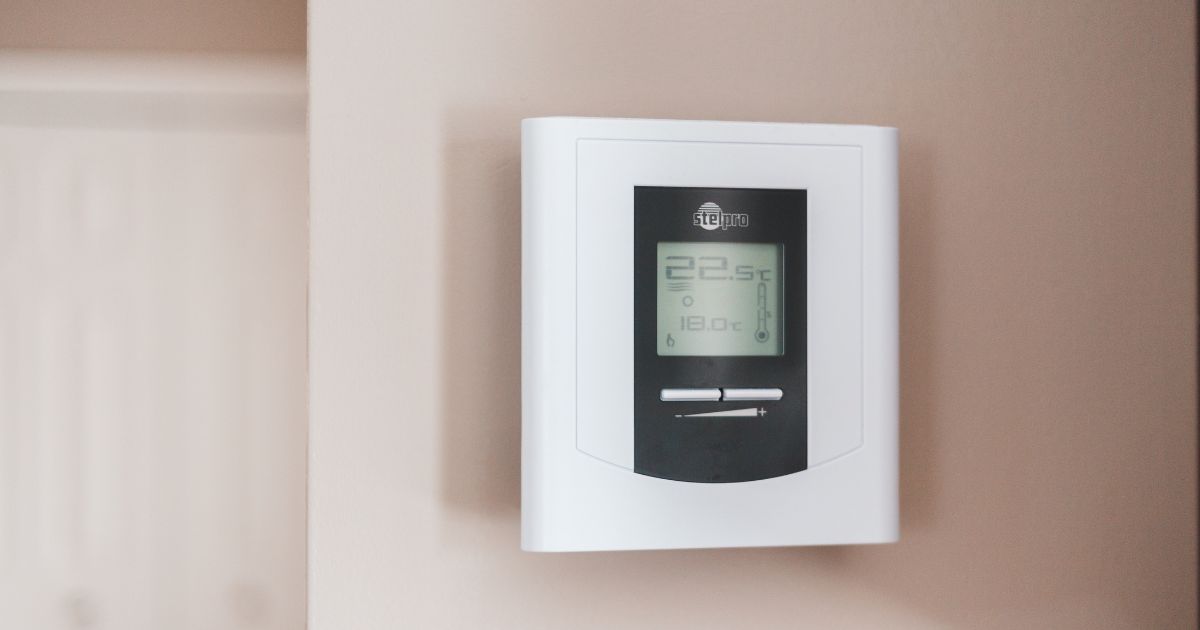
The “Flow State” Thermostat: Using Ambient Room Temperature to Trigger Peak Focus
When independent professionals, biohackers, and elite operators design their workspaces for peak performance, they focus almost entirely on digital and visual components. They audit their lighting setups, invest in ergonomic task chairs, fine-tune their noise-canceling acoustics, and configure software firewalls to block digital notifications.
Yet, a massive, invisible environmental variable continues to covertly derail their productivity: thermal environment metrics.
As we advance through 2026, environmental psychology and cognitive ergonomics have highlighted a vital reality: your physical environment speaks directly to your nervous system. If your workspace temperature is poorly regulated, your brain cannot enter a sustained, deep psychological flow state.
Instead of channeling your processing power into deep execution or creative strategy, your brain gets trapped in a background loop of biological temperature regulation. You don’t realize you are losing focus; you just feel a creeping mental lag that ruins your execution window.
To unlock elite cognitive output, you must stop treating your climate control as a basic comfort tool. You need to view it as a precision-tuned productivity anchor: the “flow state” thermostat.
The Cognitive Cost of a Fragmented Workspace Climate
To understand why room temperature dictates your mental clarity, we must look at how the human brain allocates its energetic baseline. Your brain consumes roughly 20% of your body’s total metabolic energy. Its absolute highest priority is homeostatic survival—keeping your core biological systems balanced.
Suboptimal Climate (Too Cold/Hot) ──> Metabolic Shift ──> Thermoregulation Active ──> Diminished Focus
Optimized Thermostat (21°C - 22°C) ──> Metabolic Homeostasis ──> Maximum Cognitive RAM ──> Elite Flow State
When your office or home workspace drops below or climbs above your physiological comfort baseline, your brain initiates thermoregulation.
- If the room is too cold: Your muscles subtly tense up, your blood vessels constrict to protect core organs, and your body burns active glucose to generate internal heat.
- If the room is too hot: Your heart rate increases, blood is redirected toward your skin to release heat, and your system flags a subtle dehydration alert.
This constant biological adjustments act like heavy background tracking scripts running on a computer. They drain your limited mental bandwidth, causing a noticeable dip in processing speed and forcing early cognitive fatigue.

The Data: Finding the Perfect Temperature for Cognitive Performance
Determining the ideal thermal baseline isn’t a matter of personal preference; it is backed by empirical research from global institutions, including Cornell University and the Lawrence Berkeley National Laboratory.
The data highlights a distinct, repeatable relationship between ambient temperature and your team’s operational error rate:
| Ambient Temperature | Cognitive Impact | Typical Operational Outcome |
| Below 20°C (68°F) | High thermoregulation demand; physical discomfort | Typing errors increase by over 40%; drop in analytical persistence. |
| 21°C to 22°C (70°F – 72°F) | The Optimal Thermal Window | Maximum processing efficiency; lowest error rates; sustained focus. |
| Above 24°C (75°F) | Vasodilation; mild lethargy and physical sluggishness | Creative problem-solving drops; feelings of sleepiness and low motivation. |
The Cornell Dynamic: In a classic workplace study, researchers found that raising office temperatures from a cold 20°C to an optimized 22°C resulted in a massive 44% reduction in typing errors and boosted total output by 150%.
By maintaining your workspace within that precise 21°C to 22°C window, you remove the physical stress of temperature regulation, freeing up maximum mental capacity for deep work.
3 Pillars to Optimize Your Workspace Climate
Transforming your room climate into a reliable tool for deep focus requires a systematic approach to your physical surroundings:
1. Match Your Temperature to Your Tasks
Different types of cognitive work thrive under slightly different thermal settings. You can actively shift your thermostat to match your daily schedule:
- For High-Velocity Analytics & Code Audits: Drop your thermostat to 21°C (70°F). A cooler, crisp environment increases physiological alertness, keeps your heart rate stable, and helps you stay sharp during complex, detailed tasks.
- For Creative Brainstorming & Long-Form Writing: Raise the temperature slightly to 22.5°C (72°F). A warmer room relaxes your muscles, lowers performance anxiety, and helps create the comfortable, expansive state of mind needed for open-ended ideation.
2. Monitor Relative Humidity Levels
Temperature doesn’t work in isolation; it is deeply influenced by moisture levels in the air. High humidity prevents your body from cooling itself naturally, making a room feel stuffy and causing mental fatigue. Conversely, dry air irritates your eyes and respiratory pathways, breaking your focus. Use a simple hygrometer to keep your workspace relative humidity strictly between 40% and 50% to ensure crisp, clean breathing and steady attention.
3. Maintain Consistent Airflow Dynamics
Stagnant air allows carbon dioxide (CO2) to build up right around your desk, especially in small home offices. Increased CO2 levels alter your brain’s blood flow, causing brain fog, headaches, and a midday energy crash. Pair your optimized thermostat with a quiet, low-speed fan or cracked window to keep fresh air moving. This simple adjustment can reduce indoor carbon dioxide concentrations and significantly improve your cognitive performance.
+-----------------------------------------------------------------------+
|                    THE CHRONO-THERMAL BLUEPRINT                       |
+-----------------------------------------------------------------------+
|  [ CRITICAL ANALYTICS ]  -> Set to 21°C (70°F) for Alertness         |
|  [ EXPANSIVE IDEATION ]  -> Set to 22.5°C (72°F) for Muscle Comfort   |
|  [ HUMIDITY BUFFER ]     -> Maintain 40% - 50% via Humidifier         |
+-----------------------------------------------------------------------+
The Bottom Line
Elite performance is never the result of a single lifestyle change. It is built on a foundation of small, intentional, data-driven modifications to your daily routine.
Your workspace isn’t just a place where you sit; it is a physical extension of your mind. By taking control of your thermostat, you remove a hidden layer of friction that tires out your brain every single day. You protect your mental energy, design a reliable environment for deep focus, and set yourself up to do your absolute best work.
Adjust your thermostat. Balance your environment. Let your brain lock into focus.
FAQs’
Q: How can I maintain my ideal focus temperature if I work in a shared office space with a locked thermostat?
A: When you can’t control the master thermostat, you have to manage your micro-climate. If the office is kept too cold, use premium heated desk mats, desk lamps with warm bulbs, or high-quality wool layers to protect your core temperature without needing space heaters. If the office runs hot, a small desktop USB fan focused on your face and wrists can provide instant cooling, helping you maintain a comfortable, focused state.
Q: Does eating or fasting change how my body reacts to room temperatures?
A: Yes, quite a bit. Digesting a heavy, carbohydrate-rich meal triggers thermogenesis, increasing your core body temperature and making you feel sluggish in a warm room. If you practice intermittent fasting or eat light meals during your deep work windows, your body doesn’t have that extra digestive heat. In that case, you may want to set your room temperature slightly warmer to avoid feeling chilled and losing focus.
Have any thoughts?
Share your reaction or leave a quick response — we’d love to hear what you think!
-
 0
0
-
 2
2
-
 0
0
-
 0
0
-
 0
0
-
 0
0