

Table of Contents
Your Second Brain: Unraveling the Gut-Brain Axis
For too long, the gut was viewed simply as a digestive tube. However, recent scientific research has pulled back the curtain on one of the body’s most complex and vital systems: the Gut-Brain Axis (GBA). This is not just a metaphor; it’s a sophisticated, bidirectional communication highway that constantly links your central nervous system (brain) to your enteric nervous system (gut).
This connection is why you feel “butterflies” in your stomach when nervous or have a sudden mood shift after eating certain foods. The true architects of this connection, however, are the trillions of microorganisms living in your digestive tract your gut microbiome.
The Key Players: How the Microbiome Affects Mood and Focus
The health of your gut microbiome isn’t just about digestion; it’s intricately linked to your mental wellness, emotional stability, and cognitive performance, including your ability to focus. This influence occurs through several critical pathways:
1. Neurotransmitter Production
Did you know your gut is responsible for producing a vast majority of your body’s serotonin? Serotonin, often dubbed the “happy hormone,” is a critical neurotransmitter that regulates mood, sleep, and appetite.
- Serotonin: Up to 90% is produced in the gut, with gut bacteria playing a key role in its metabolism. Imbalances can be linked to conditions like anxiety and depression.
- GABA: Microbes also produce gamma-aminobutyric acid (GABA), a relaxing neurotransmitter that helps manage feelings of fear and anxiety, directly impacting your overall state of mood.
2. The Vagus Nerve Connection
The vagus nerve is the longest cranial nerve, serving as the main physical line of communication in the GBA. It acts like a two-way telegraph line, sending messages from the brain to the gut and, critically, from the gut to the brain. A healthy, diverse microbiome can send positive signals via the vagus nerve connection, contributing to a sense of calm and better mental clarity.
3. Short-Chain Fatty Acids (SCFAs)
When your gut bacteria break down dietary fiber, they produce beneficial compounds called Short-Chain Fatty Acids (SCFAs), such as butyrate. These compounds are vital because:
- They nourish the cells lining your gut, reinforcing the gut barrier.
- They cross the blood-brain barrier and have direct anti-inflammatory effects, which can positively influence focus and cognitive function. Chronic inflammation is often implicated in poor mood and “brain fog.”
Microbiome Imbalance: The Root of Brain Fog and Anxiety
When your gut is out of balance a state called dysbiosis the communication along the Gut-Brain Axis breaks down. A lack of beneficial bacteria and an overgrowth of harmful ones can lead to:
- Increased Inflammation: A leaky gut barrier allows inflammatory molecules to enter the bloodstream and signal the brain, potentially leading to symptoms of anxiety and depression.
- Reduced Neurotransmitter Signaling: A poor microbiome can hinder the production of essential chemicals like serotonin, destabilizing your mood.
- Impaired Cognitive Function: The resulting “brain fog” is often a direct consequence of a troubled gut, affecting concentration and focus.
Actionable Steps: Optimize Your Gut Health for Better Focus
The good news is you have the power to influence your Gut-Brain Axis every day through simple, evidence-based lifestyle and dietary choices.
1. Feed the Right Bacteria (Prebiotics)
Prebiotic foods contain fiber that the beneficial bacteria in your gut thrive on. Think of them as the essential fertilizer for a diverse microbiome.
- Prioritize Fiber-Rich Foods: Legumes, oats, asparagus, bananas, onions, and garlic.
- Focus on Diversity: The wider the variety of plant-based foods you eat, the more diverse and resilient your gut health will be.
2. Introduce Beneficial Bacteria (Probiotics)
Fermented foods are a great natural source of probiotics, live microorganisms that can supplement your microbiome.
- Fermented Foods: Yogurt (with live and active cultures), kefir, sauerkraut, kimchi, and kombucha.
- Consider a Supplement: If considering probiotics for anxiety or mood, consult a healthcare professional for a strain-specific recommendation (e.g., Lactobacillus and Bifidobacterium strains have been studied for mental health benefits).
3. Stress Management for the Vagus Nerve
Since the GBA is bidirectional, managing stress directly supports your gut health mental clarity.
- Mindfulness: Practices like deep, slow breathing (which stimulates the vagus nerve) and meditation can help calm the nervous system.
- Movement: Regular exercise has been shown to increase gut bacterial diversity independently of diet.
Conclusion: Invest in Your Gut, Invest in Your Mind
The relationship between your Gut-Brain Axis and your mood and focus is undeniable. By adopting a “gut-first” approach to health, you can move beyond simply treating symptoms and instead nourish the foundational system responsible for your mental clarity and emotional well-being. Start small: add a daily serving of fermented food, increase your fiber intake, and practice a few minutes of mindful breathing. Your gut and your mind will thank you for it.
Ready to start your gut-health journey? Share this post with a friend who experiences “brain fog” and let us know your favorite gut-healthy recipe in the comments below!
Recommended Readings: The Neuro-Kitchen: Foods That Cross the Blood-Brain Barrier
Frequently Asked Questions (FAQ) about the Gut-Brain Axis
Q1: What is the Gut-Brain Axis (GBA)?
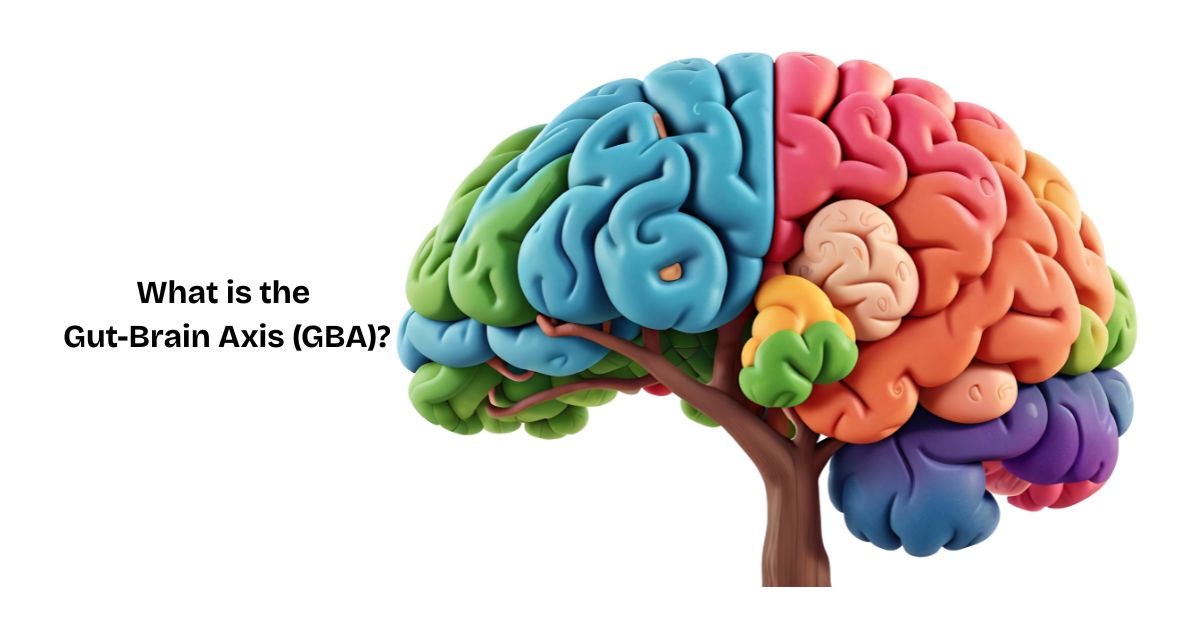
The Gut-Brain Axis (GBA) is a complex, two-way communication system that links the central nervous system (your brain) with the enteric nervous system (your gut). This connection involves hormonal, immune, and neural pathways, with the gut microbiome and the vagus nerve acting as key communicators. It’s why your emotional state affects your digestion, and your gut health influences your mood and focus.
Q2: Can improving my gut health help with anxiety and focus?
Yes. The microorganisms in your gut produce up to 90% of your body’s serotonin and other critical neurotransmitters that regulate mood, sleep, and focus. Dysbiosis (an imbalance in the gut microbiome) is linked to increased inflammation, which can impair cognitive function and contribute to symptoms of anxiety and “brain fog.” By improving your gut health with prebiotics and probiotics, you can support a healthy GBA and potentially enhance your mental clarity and emotional resilience.
Q3: What are the best foods to support the Gut-Brain Axis?
The best foods are rich in prebiotics and probiotics.
- Prebiotics (Fiber): Foods like oats, legumes, asparagus, bananas, and whole grains feed the beneficial bacteria in your gut.
- Probiotics (Live Bacteria): Fermented foods such as yogurt (with live cultures), kefir, sauerkraut, kimchi, and kombucha help introduce new beneficial bacteria to your microbiome.
Q4: How quickly can I expect to see changes in my mood and focus after improving my diet?
Responses vary greatly from person to person. Some individuals report minor improvements in energy and mood within a few weeks of consistent dietary changes (like increasing fiber and fermented foods). However, significant, stable changes to the gut microbiome and subsequent effects on the GBA often take 1 to 3 months of consistent effort. Consistency with a diverse, whole-food diet is key.
Q5: Is the vagus nerve important for the Gut-Brain Axis?
Absolutely. The vagus nerve is the primary physical connection in the GBA. It continuously transmits information about the state of your gut to your brain. Stimulating the vagus nerve through deep, slow breathing, meditation, or singing/humming is a powerful, non-dietary way to help modulate the GBA and promote a state of calm.
Have any thoughts?
Share your reaction or leave a quick response — we’d love to hear what you think!
-
 0
0
-
 0
0
-
 0
0
-
 0
0
-
 0
0
-
 0
0