
Table of Contents
Introduction: The Internet’s Next Evolution
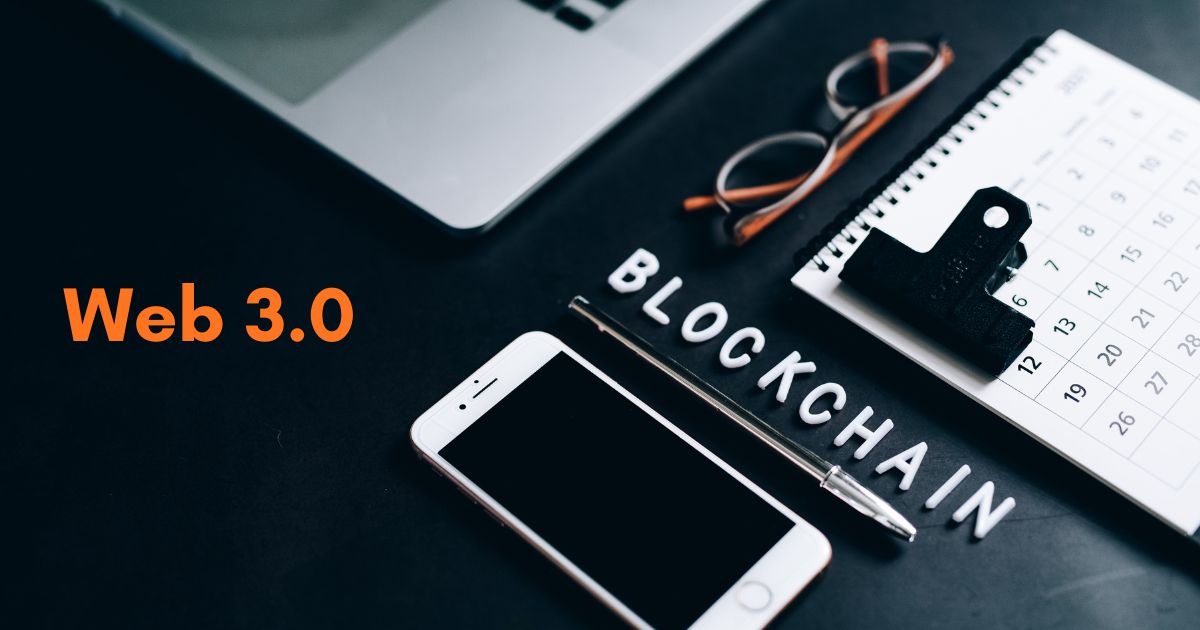
The term Web3 is everywhere. It’s been hailed as the next generation of the internet a decentralized internet that puts power back into the hands of the users, not big corporations.
But if all you hear are buzzwords like NFTs, DAOs, blockchain, and metaverse, it can feel overwhelming. This is your definitive, beginner’s guide to Web3. We’ll break down the core concepts into simple, easy-to-understand terms so you can navigate the future of the internet with confidence.
From Web 1.0 to Web3: A Quick History
- Web 1.0 (The Read-Only Web): 1990s. Think static websites and passive consumption. You read a webpage.
- Web 2.0 (The Read-Write Web): 2000s–Present. The era of social media. You interact and create content, but large, centralized platforms (Google, Meta, etc.) own your data and control the rules.
- Web3 (The Read-Write-Own Web): The current shift. Users are owners and participants. Control is distributed via blockchain technology.
Core Concept 1: The Decentralized Internet & Blockchain
At the heart of Web3 is decentralization. This is the key differentiator from the Web 2.0 world we live in today.
What is Decentralization?
Instead of data and control being stored on single servers owned by companies (centralized), it’s spread across a vast, peer-to-peer network of computers (decentralized).
- The Technology: This distributed system is powered by the blockchain. Think of a blockchain as a digital, public ledger that’s shared and constantly updated by thousands of computers worldwide.
- The Benefit: Since no single entity controls the ledger, it is virtually impossible to corrupt or censor. This leads to increased security, transparency, and, most importantly, user sovereignty.
Core Concept 2: Non-Fungible Tokens (NFTs)
When people talk about Web3, NFTs are often the first thing that comes to mind. They are a revolutionary step forward for digital ownership.
Breaking Down the Term:
- Token: A digital asset that exists on a blockchain (usually Ethereum or Solana).
- Non-Fungible: Unique and cannot be exchanged on a one-for-one basis. (A $10 bill is fungible; your passport is non-fungible).
In Simple Terms:
An NFT is a digital certificate of ownership for a unique asset. That asset can be digital art, a collectible, music, a video clip, or even a virtual piece of land.
| Feature | NFT (Web3 Asset) | JPEG (Web 2.0 Asset) |
| Ownership | Verifiable on the blockchain. | Subject to a platform’s Terms of Service. |
| Value | Unique and tradable. | Easily copied and has no unique digital value. |
| Creator Royalty | Automatically paid to the creator on secondary sales via smart contracts. | None. |
Core Concept 3: Decentralized Autonomous Organizations (DAOs)
If Web3 is about shifting power from corporations to users, DAOs are the operating system for that shift.
What is a DAO?
A Decentralized Autonomous Organization is essentially an internet-native company or community.
- Decentralized: No central CEO, board, or single decision-maker.
- Autonomous: Decisions and rules are enforced automatically by code (smart contracts) on a blockchain.
- Organization: A group of people with a shared mission (e.g., investing in new tech, managing a community fund, or governing a protocol).
The Voting Mechanism: Members who own the DAO’s governance token get to vote on proposals. The more tokens you own, the more weight your vote carries. This creates a transparent, community-led system of management a truly democratic approach to governing digital entities.
Navigating the Web3 Ecosystem: Practical Concepts
To fully participate in the decentralized internet, you’ll need two more tools:
- Crypto Wallets: Your digital identity and bank account for Web3. It stores your crypto assets and NFTs, and acts as a login to Web3 applications (dApps). Think of it as a username and password rolled into one, giving you full control over your digital assets.
- Smart Contracts: The coded agreements that power all of Web3. These pieces of code automatically execute actions (like transferring an NFT or paying an interest rate) when specific, pre-written conditions are met. They remove the need for a legal intermediary.
Conclusion: Becoming an Owner on the Decentralized Internet
Web3 is more than a technological upgrade; it’s a fundamental change in the relationship between users and the internet. It shifts us from being mere users who rent space to being genuine owners and participants.
Whether you’re interested in buying a unique NFT, joining a DAO to help govern a project, or simply using a decentralized internet where your data is your own, the foundational principles are the same: Decentralization, Transparency, and Ownership.
The time to learn is now. Get a wallet, explore a marketplace, and take your first step into the new era of the web.
Frequently Asked Questions (FAQ)
This section addresses common, simple questions users might have after reading the guide, reinforcing key terms and concepts.
❓ What is the main difference between Web 2.0 and Web3?
Web 2.0 is centralized, meaning big tech companies like Google and Meta own and control your data. Web3 is decentralized, built on blockchain technology, allowing users to own their data, assets (like NFTs), and digital identity. It shifts power from corporations to the individual.
💰 Do I need cryptocurrency to participate in Web3?
Yes, in most cases. Cryptocurrencies like Ethereum (ETH) or Polygon (MATIC) are used as the native currency to pay for transaction fees (called gas) and to buy/sell assets like NFTs. You’ll also need a crypto wallet to interact with Web3 applications (dApps).
🎨 Are NFTs just digital art?
No. While digital art is the most popular use case, an NFT is fundamentally a digital certificate of ownership for any unique asset. This can include virtual land in the metaverse, music rights, event tickets, in-game items, or even proof of ownership for a physical item.
🗳️ How do I join or vote in a DAO?
To join a DAO (Decentralized Autonomous Organization), you typically need to acquire its governance token. Owning these tokens gives you the right to submit proposals and vote on the organization’s decisions, aligning your incentives with the community’s goals.
🛡️ Is Web3 completely secure and private?
Web3 offers greater security and privacy than Web 2.0 because it’s built on a tamper-proof blockchain. However, it is not foolproof. Your security largely depends on protecting your private keys (the password to your crypto wallet). If your keys are lost or stolen, your assets can be compromised.
Have any thoughts?
Share your reaction or leave a quick response — we’d love to hear what you think!
-
 0
0
-
 0
0
-
 0
0
-
 0
0
-
 0
0
-
 0
0