

Table of Contents
Introduction: The Double-Edged Sword of Generative AI
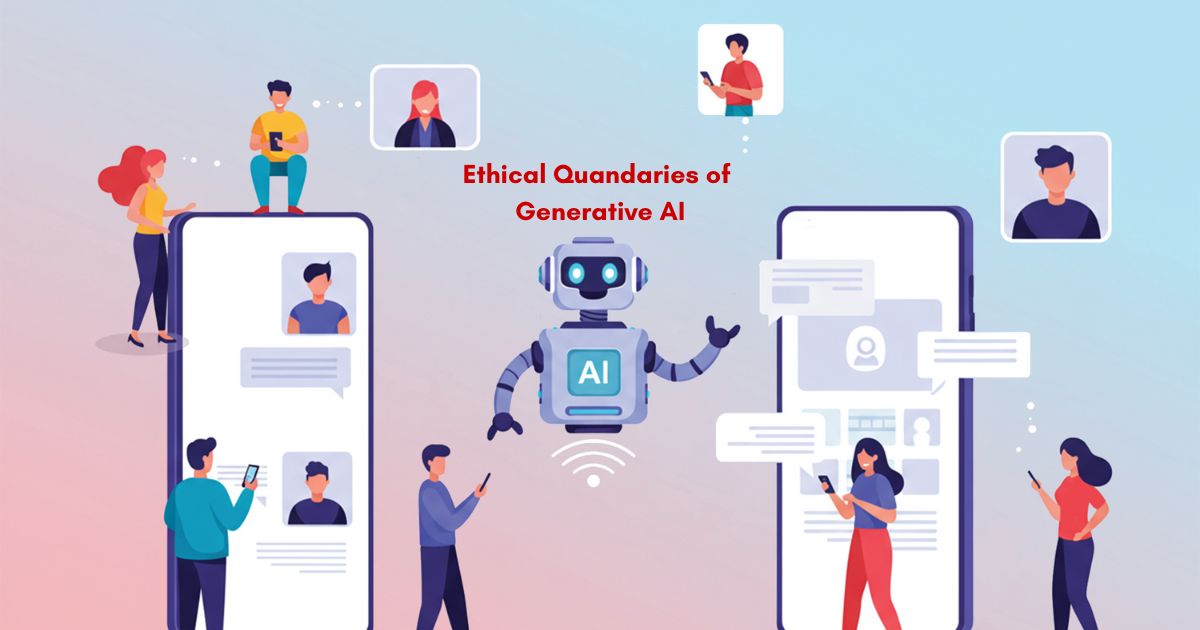
Generative AI is transforming industries, creating realistic images, sophisticated code, and human-like text at unprecedented scale. The innovation is breathtaking, but the hype often overshadows the serious societal challenges it presents. Moving past the initial awe, we must confront the ethical quandaries that emerge from these powerful models.
From systemic bias embedded in outputs to complex copyright issues and the proliferation of convincing deepfakes, the responsible deployment of this technology requires immediate and thoughtful attention. This post dives into the three critical areas of concern that define the future of ethical AI governance.
1. The Bias Amplification Loop: Fairness and Discrimination
One of the most persistent ethical concerns in AI is the issue of algorithmic bias. Generative models, such as Large Language Models (LLMs) and text-to-image generators, are trained on massive datasets scraped from the internet. If this training data reflects existing human prejudices historical, racial, or gender biases the AI will not only learn them but amplify them.
The Problem of Unequal Representation
- Stereotype Reinforcement: Studies show that when prompted to generate images for professions like “CEO” or “Engineer,” models often disproportionately default to white males, reinforcing harmful societal stereotypes. Similarly, bias can manifest in negative representations for marginalized groups when generating images related to crime or poverty.
- Real-World Harm: In high-stakes applications like healthcare or hiring tools, biased outputs can lead to discriminatory recommendations, exacerbating social inequalities and creating unfair outcomes for individuals.
- The Opacity Challenge: Because the decision-making process within a complex LLM is often opaque (the “black box”), pinpointing and mitigating the source of the AI bias can be technically challenging, making accountability difficult.
Key Takeaway: Responsible Generative AI development requires meticulous auditing of training data and the implementation of Fairness, Accountability, and Transparency (FAT) principles to ensure outputs are equitable.
2. The Crisis of Provenance: Deepfakes and Misinformation at Scale
The ability of Generative AI to create highly realistic synthetic media known as deepfakes poses a direct threat to trust, democracy, and personal security. This issue moves far beyond the hype of amusing face swaps.
The Threat to Information Integrity
- Disinformation and Hallucinations: Large Language Models are prone to “hallucinating” generating highly confident but factually incorrect information. When combined with the speed and scale of AI generation, this misinformation can spread rapidly, contaminating the public information environment.
- The Deepfake Danger: Realistic AI-generated audio and video can be used for sophisticated financial fraud, political manipulation (e.g., impersonating leaders during elections), or non-consensual deepfake pornography, leading to profound personal and societal harm.
- Detection vs. Generation: The technology to create synthetic media is advancing faster than the tools to detect it. This arms race creates a “liar’s dividend,” where legitimate media is increasingly questioned, eroding general trust.
Key Takeaway: Addressing this requires a combination of technology (digital watermarking, content provenance standards) and media AI literacy campaigns to inoculate the public against sophisticated AI disinformation.
3. The Creator Conundrum: Copyright and Compensation
The training of Generative AI models relies on scraping vast amounts of existing text, art, and code from the internet, much of which is copyrighted. This practice has led to a growing number of lawsuits and poses fundamental questions about intellectual property rights in the age of AI.
Intellectual Property and Fair Use
- Training Data Legal Scrutiny: Content creators and copyright holders argue that the unauthorized ingestion of their work to train a commercial AI model constitutes copyright infringement and devalues their original art.
- Authorship and Originality: When an AI creates a novel image or text, the question of legal AI authorship is debated. Current legal consensus (in many jurisdictions) requires human creative input for a work to be eligible for copyright protection, raising legal ambiguity over AI-generated outputs.
- Displacement of Creative Labor: The ability of AI to generate commercial-grade assets (stock photos, marketing copy) at high speed creates a massive risk of labor displacement for artists, writers, and designers, raising ethical questions about compensation and the future of creative professions.
Key Takeaway: New legal frameworks and business models are urgently needed to balance the right of creators to be compensated and the need for innovation in Generative AI development.
Conclusion: Governing the Future of AI Ethics
The ethical quandaries of Generative AI are not mere technical glitches; they are fundamental governance challenges for the digital age. Moving beyond the hype requires us all developers, policymakers, and users to prioritize ethical design over rapid deployment.
True champions of innovation will be those who establish clear, human-centric guardrails on AI governance, addressing bias, enforcing transparency, and protecting creators. Only then can we harness the immense potential of this technology without sacrificing core democratic and human values.
Read How AI Is Changing Everyday Life: 10 Real-World Examples
Frequently Asked Questions (FAQ)
Q1: What is the primary source of ‘algorithmic bias’ in Generative AI models?
The primary source of algorithmic bias is the training data. Generative AI models are trained on vast datasets scraped from the internet. If this data reflects existing human prejudices, stereotypes, or historical inequalities (racial, gender, etc.), the AI model will learn, reproduce, and often amplify these biases in the content it generates.
Q2: How do Generative AI ‘deepfakes’ threaten societal trust?
Deepfakes threaten trust by creating highly realistic and convincing synthetic media (audio, video, and text) of events or people that never existed. This capability is used for AI disinformation and fraud, leading to a “liar’s dividend” where the public becomes skeptical of all media, including legitimate content, thus eroding general trust in information.
Q3: What are the main ‘copyright issues’ surrounding Generative AI?
The main copyright issues stem from two areas:
- Training Data: The unauthorized use of copyrighted works (e.g., articles, art) scraped from the internet to train commercial AI models is often argued to be copyright infringement.
- Authorship: The generated output itself raises questions, as many legal systems require human creative input for a work to be eligible for copyright protection (AI authorship).
Q4: What is the “opacity challenge” in relation to AI ethics?
The opacity challenge refers to the difficulty in understanding how complex Generative AI models arrive at their output. Because the internal decision-making process is often an unreadable “black box,” it is hard for developers and auditors to pinpoint the exact source of a bias or error, making it difficult to ensure responsible AI governance and accountability.
Q5: What is the recommended solution to combat AI-driven misinformation?
A combination of technological and educational solutions is required. Technologically, implementing digital watermarking and content provenance standards can help identify synthetic media. Educationally, promoting AI literacy in the public is crucial to build resilience against sophisticated AI disinformation campaigns.
Have any thoughts?
Share your reaction or leave a quick response — we’d love to hear what you think!
-
 0
0
-
 0
0
-
 0
0
-
 0
0
-
 0
0
-
 0
0