

Table of Contents
AI for the Soul: The Ethics and Reality of “Grief-Tech” and Digital Resurrection
For centuries, the boundary between life and death was absolute. We had photos, letters, and memories, but the conversation always ended at the grave. In 2026, that boundary is blurring.
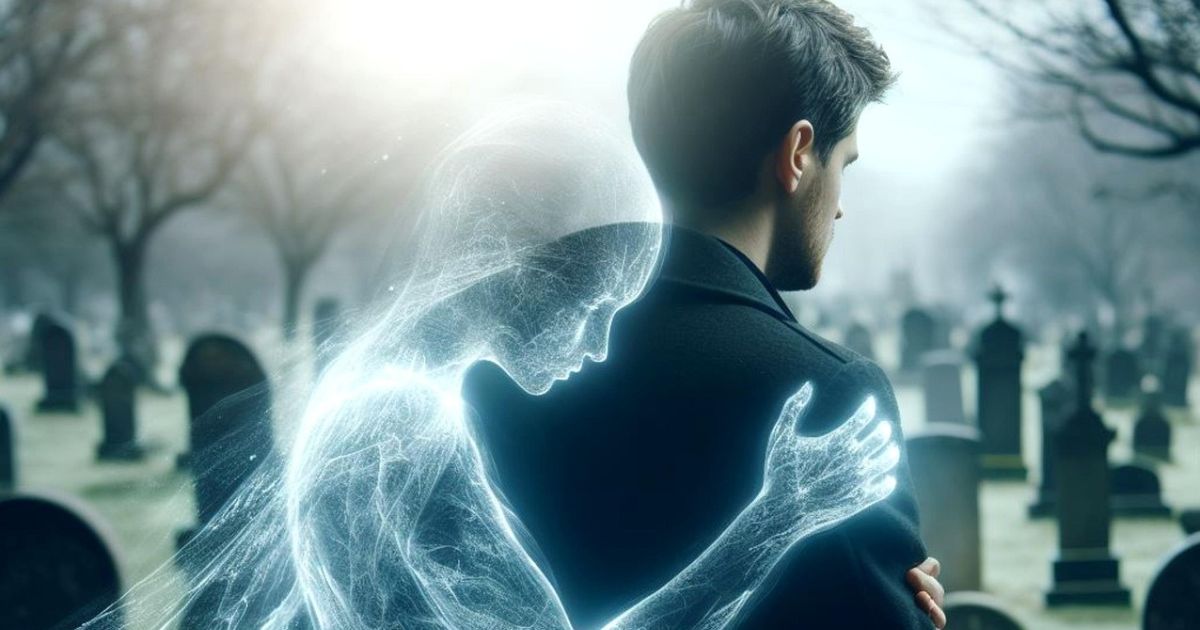
A new industry known as Grief-Tech is using generative AI, voice cloning, and deep-learning avatars to “reanimate” the dead. Whether through a griefbot that mimics a late parent’s texting style or a hyper-realistic VR avatar, the “Invisible Internet” is now reaching into the afterlife.
But just because we can simulate a conversation with a lost loved one, does it mean we should?
SilverScoop Summary: The Digital Afterlife
The Tech: Digital Clones trained on social media archives, WhatsApp logs, and voicemails to replicate a person’s personality and voice. The Promise: Closure for those who lost someone suddenly and a way to preserve family history for future generations. The Risk: Emotional dependency, the disruption of the “natural grieving process,” and the commodification of the deceased. The 2026 Landscape: New “Digital Afterlife” laws are emerging to handle the thorny issues of posthumous consent.
What is Grief-Tech?
Grief-tech (or “Thanatechnology”) refers to AI-driven tools designed to support the bereaved. While early versions were simple digital memorials, the 2026 market is dominated by interactive simulations:
- Griefbots: Chatbots that use a deceased person’s “digital footprint” to simulate a text-based relationship.
- Voice Resurrections: Using as little as 30 seconds of audio to create a permanent, interactive voice clone.
- Ghost Avatars: 3D video or VR representations that can “attend” family events or provide comfort in real-time.
The Ethical Quagmire: Who Owns Your Ghost?
As we optimize our lives for the future, we must ask: Is your digital likeness your own?
1. The Question of Posthumous Consent
Most people currently being “resurrected” never gave explicit permission for their data to be used this way. In 2026, legal frameworks like India’s DPDP Act and the EU AI Act are beginning to address the “Right to Nominate,” allowing individuals to appoint a Digital Executor to decide if their AI avatar should ever be switched on.
2. The Commercialization of Mourning
The “Grief-Tech” industry is valued at over $36 million in 2026, projected to grow exponentially. Ethicists worry about “Enshittification” in the afterlife—imagine a digital version of a loved one recommending a subscription upgrade or a sponsored product mid-conversation.
3. Psychological “Stalling”
Psychologists warn that AI simulations may interfere with the stages of grief. While the Continuing Bonds Theory suggests that staying connected to the dead is healthy, AI creates a “liminal loop.” If the deceased is always “available” via an app, the brain may never reach the stage of acceptance, leading to a condition known as Prolonged Grief Disorder.
The Reality: Comfort vs. Delusion
For many, Grief-Tech is a miracle. It allows a child to hear their grandparent’s voice or a widow to say the “one last thing” they missed.
However, the technology is a simulation, not a soul. * The “Hollow” Feedback: AI can replicate patterns, but it cannot feel empathy. The danger is in treating a sophisticated algorithm as a sentient replacement for a human connection.
- Memory Distortion: Every time we interact with an AI clone, we risk replacing our real, nuanced memories with the AI’s “average” version of that person.
How to Navigate the Digital Afterlife Responsibly
If you are considering using Grief-Tech or planning your own digital legacy, follow these 2026 “best practices”:
- Set an Expiration Date: Use these tools for a temporary “bridge” toward closure, rather than a permanent companion.
- Prioritize Privacy: Only use services that offer end-to-end encryption and guarantee they will not sell your loved one’s data to third-party advertisers.
- Draft a Digital Will: Clearly state in your legal documents whether you consent to being turned into an AI avatar.
Conclusion: The Sacred and the Silicon
AI for the soul is perhaps the most personal frontier of the digital age. It offers a radical form of comfort, but it demands a radical level of responsibility. As we build the Invisible Internet, we must ensure it doesn’t become a digital haunted house.
The dead deserve dignity, and the living deserve the clarity to move forward. In 2026, the greatest tech status symbol might just be the grace to let go.
Recommended Reading: Digital Ghosts: The Ethics of AI to Preserve Loved Ones’ Legacies
Have any thoughts?
Share your reaction or leave a quick response — we’d love to hear what you think!
-
 0
0
-
 0
0
-
 0
0
-
 0
0
-
 0
0
-
 0
0