

Table of Contents
The End of the Influencer? How “Virtual Humans” and AI Avatars are Taking Over Brand Marketing
For a decade, the “Influencer” was the undisputed king of digital marketing. Brands paid thousands for a single post, betting on the human connection and perceived authenticity of creators.
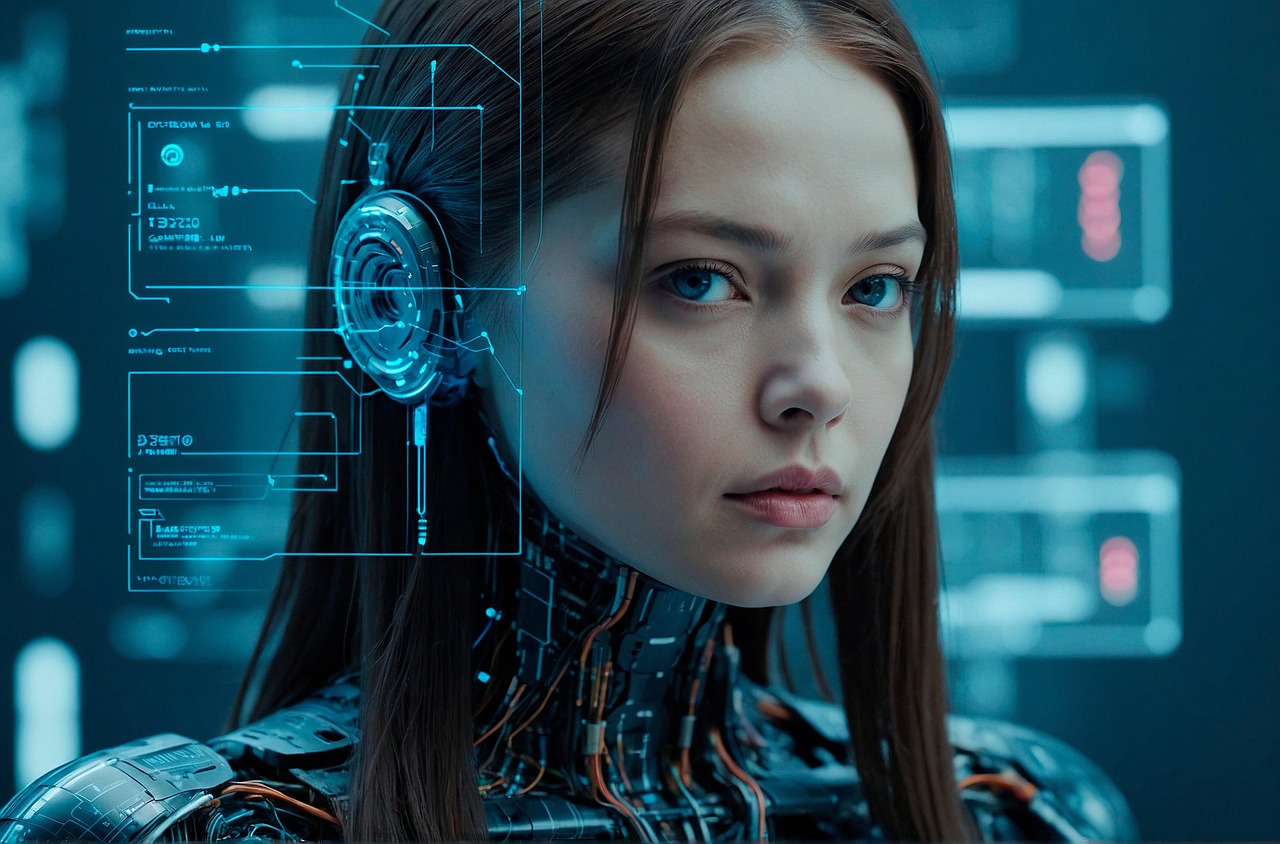
But as we navigate 2026, a new titan has entered the feed. They are pixel-perfect, they never sleep, they speak 40 languages fluently, and they are entirely immune to PR scandals. Welcome to the era of the Virtual Human.
From Lil Miquela to India’s Kyra, AI-generated avatars are no longer a novelty they are becoming the primary ambassadors for global brands. Is this the end of the human influencer, or the beginning of a new digital co-existence?
SilverScoop Summary: The Synthetic Media Shift
The Trend: Brands are shifting budgets from human creators to Virtual Influencers and AI Avatars.
The Why: Total creative control, 24/7 availability, and massive cost-efficiency.
The Numbers: The virtual influencer market is projected to hit $1.4 billion in 2026, with an 18% increase in social media ad spend dedicated to synthetic creators.
The Status: Human influencers aren’t “dead,” but they are being forced to evolve into “System Architects” or license their own Digital Twins.
Why Brands are Pivoting to Virtual Humans
1. The “Zero-Scandal” Guarantee
Human influencers come with human baggage. One controversial tweet or late-night mistake can tank a multi-million dollar campaign. AI Avatars like Aitana Lopez or Imma are scripted to perfection. They offer 100% brand safety no surprise rants, no political controversies, and no “off-brand” personal life.
2. Radical Scalability (The Multi-Lingual Flex)
A human influencer can only be in one place at a time. An AI avatar can be “shooting” a campaign in Tokyo while simultaneously hosting a 24/7 livestream in Brazil.
- The 2026 Edge: Using AI, a brand can localize an avatar’s voice, language, and cultural references for 50 different regions in minutes, something impossible for a human team without massive travel costs.
3. The Rise of the “Digital Twin”
We aren’t just seeing new virtual humans; we are seeing human influencers cloning themselves. Top-tier creators are now licensing “Digital Twins” AI versions of themselves that can handle “low-tier” interactions like fan DMs or basic product shout-outs, leaving the human creator free to focus on high-level strategy.
Virtual vs. Human: The 2026 Brand Comparison
| Feature | Human Influencers | AI Avatars / Virtual Humans |
| Authenticity | High (Real experiences/emotions) | Lower (Manufactured/Synthetic) |
| Cost | Variable (Expensive at scale) | High Upfront (Low long-term ROI) |
| Availability | Limited (Human hours) | 24/7 (Always-on presence) |
| Control | Creative collaboration | Total Scripted Control |
| Global Reach | Requires translation/travel | Native multi-lingual capability |
The “Authenticity” Problem: Will Fans Actually Care?
Critics argue that AI influencers lack “soul.” However, the data from early 2026 suggests a “Quality Reset.” While User-Generated Content (UGC) still wins on trust, virtual influencers are winning on Engagement and Storytelling.
Gen Z and Gen Alpha consumers don’t necessarily demand “flesh and bone” they demand narrative consistency. If a virtual human has a compelling “backstory” and clear values (like Milla Sofia’s support for global causes), audiences engage with them as they would a fictional character in a movie or video game.
How to Prepare for the “Synthetic” Marketing Era
If you are a marketer or a creator, you don’t need to fear the Virtual Human takeover you need to integrate it.
- Pilot an AI Campaign: Start by using AI avatars for “Always-On” social media tasks (like 24/7 customer interaction) while keeping humans for high-stakes brand storytelling.
- Prioritize Transparency: Following 2026 regulations, always disclose AI involvement. Trust is built through honesty, not by “faking” humanity.
- Invest in “Authority Signals”: As AI-generated content floods the web, Google Indexing now prioritizes proven credibility. Whether human or virtual, your creator needs a “citation profile” and recognized expertise to rank.
Conclusion: A Hybrid Future
The “Influencer” isn’t dying; they are becoming a system architect. The most successful brands of 2030 won’t choose between human and virtual. They will use Human Influencers to build deep emotional trust and AI Avatars to scale that trust across the globe, 24 hours a day.
In the world of Quiet Luxury and Invisible Tech, the most powerful marketing is the kind that feels less like an ad and more like an experience regardless of whether it was created with DNA or code.
Have any thoughts?
Share your reaction or leave a quick response — we’d love to hear what you think!
-
 0
0
-
 0
0
-
 0
0
-
 0
0
-
 0
0
-
 0
0